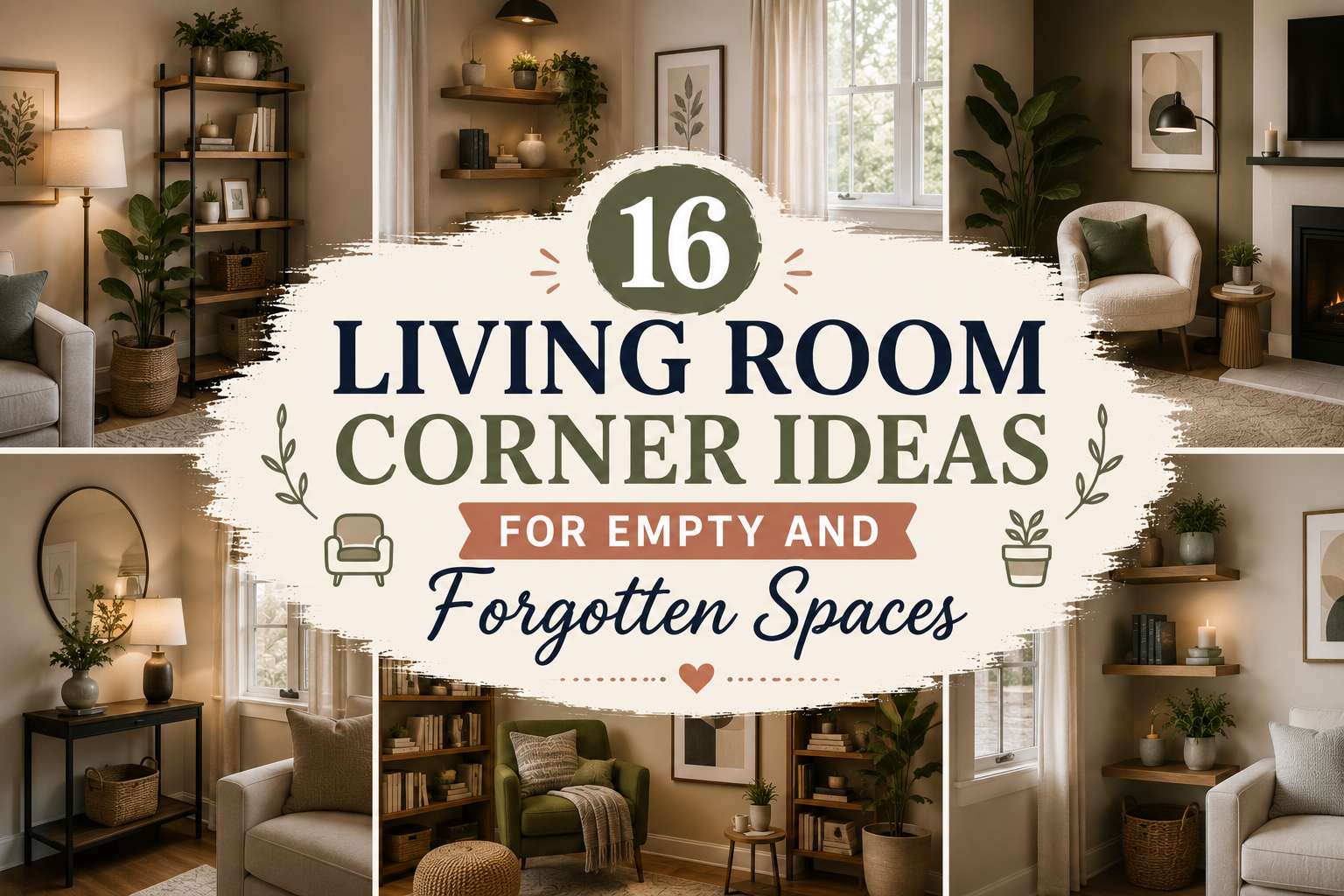
16 Living Room Corner Ideas for Empty and Forgotten Spaces
Empty living room corners often make a room feel unfinished, but they can become some of the most useful and inviting spots in your home. The right idea depends on what the space is missing. You might need extra seating, better lighting, hidden storage, a quiet reading spot, or simply a feature that gives the room more balance.
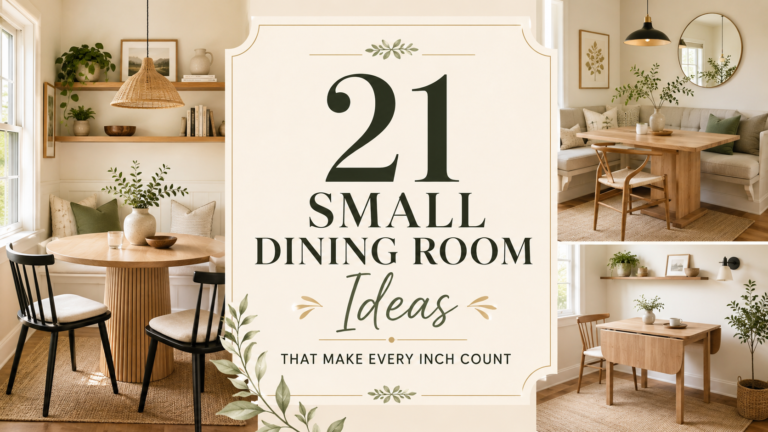
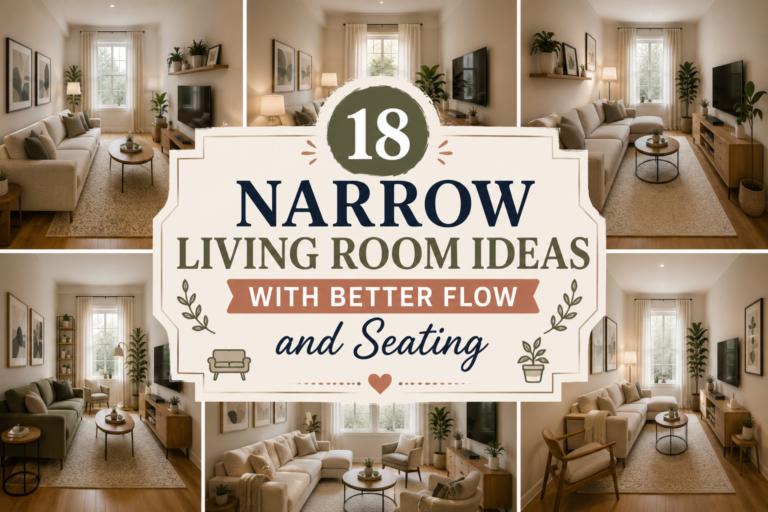
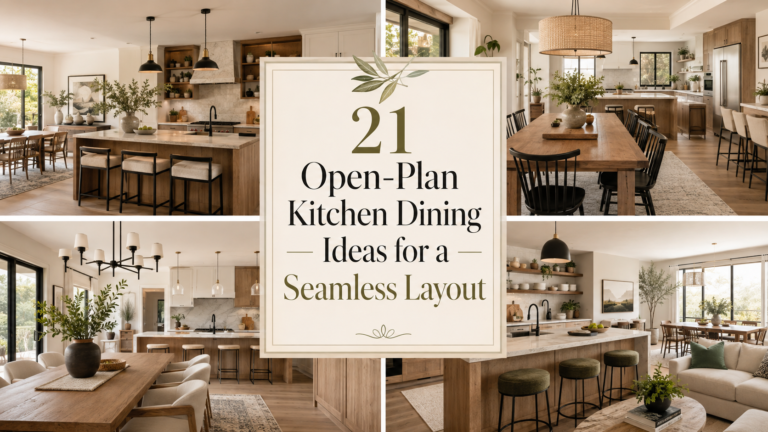
These 16 living room corner ideas for empty and forgotten spaces cover both practical and decorative options. There are compact work areas, plant displays, gallery walls, slim cabinets, pet corners, coffee stations, and cosy seating setups that work in rooms of different sizes. Some ideas use the floor, while others make better use of blank walls and vertical space.
Before choosing one, look at the corner from the main seating area and check nearby windows, walkways, sockets, and furniture. A good corner setup should feel connected to the room rather than squeezed into the last available gap. Start with the purpose you need most, then add only enough decor to make it feel finished.
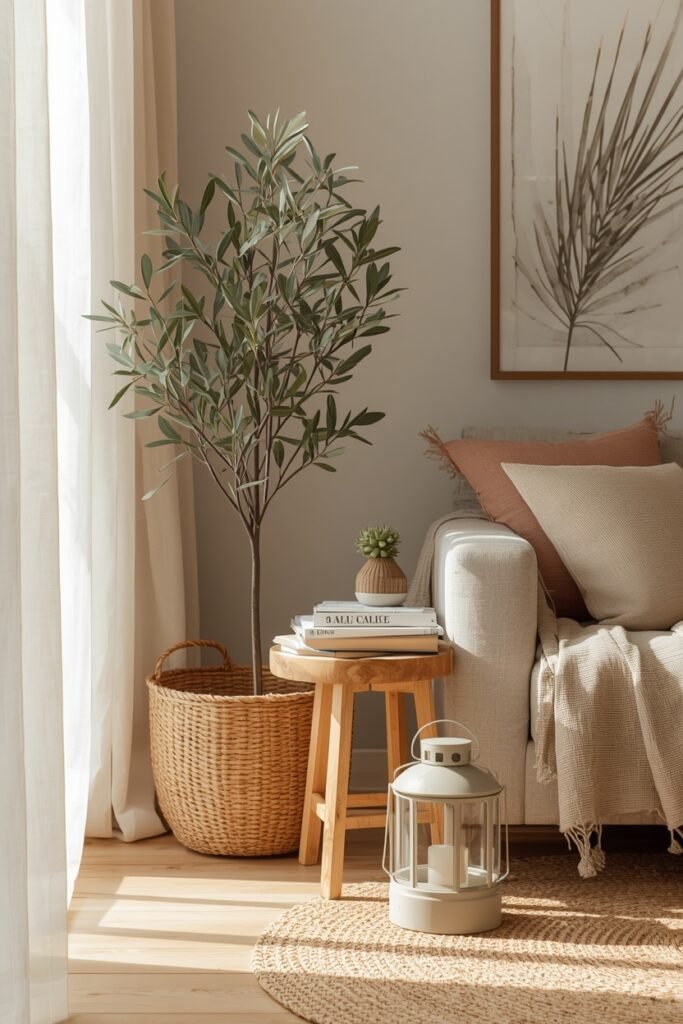
1. Fill the Gap With a Tall Plant and Layered Decor
A bare living room corner can feel cold fast. One of the easiest fixes is to build upward with a tall plant, then soften the base so the area looks finished instead of random.
- Start with a tree or oversized plant that gives the corner height
- Use a woven basket or textured planter to ground it
- Add a stool, stack of books, or lantern nearby so it feels styled, not lonely
It works especially well in rooms that already need a little more life and movement. A plant corner keeps the space light while still making it feel used.
2. Turn an Empty Corner Into a Compact Coffee or Tea Station
Instead of pushing all the personality to the walls, use the corner as a small serving spot. A slim bar cart or narrow cabinet can hold mugs, a tray, and a few everyday extras without taking over the room.
- Choose a narrow piece that fits the corner cleanly
- Keep the top simple with a tray, mugs, and one small vase
- Store extras below so the setup stays neat
This idea is handy in living rooms where people gather often. It makes the corner feel active and useful, especially in open plan homes.
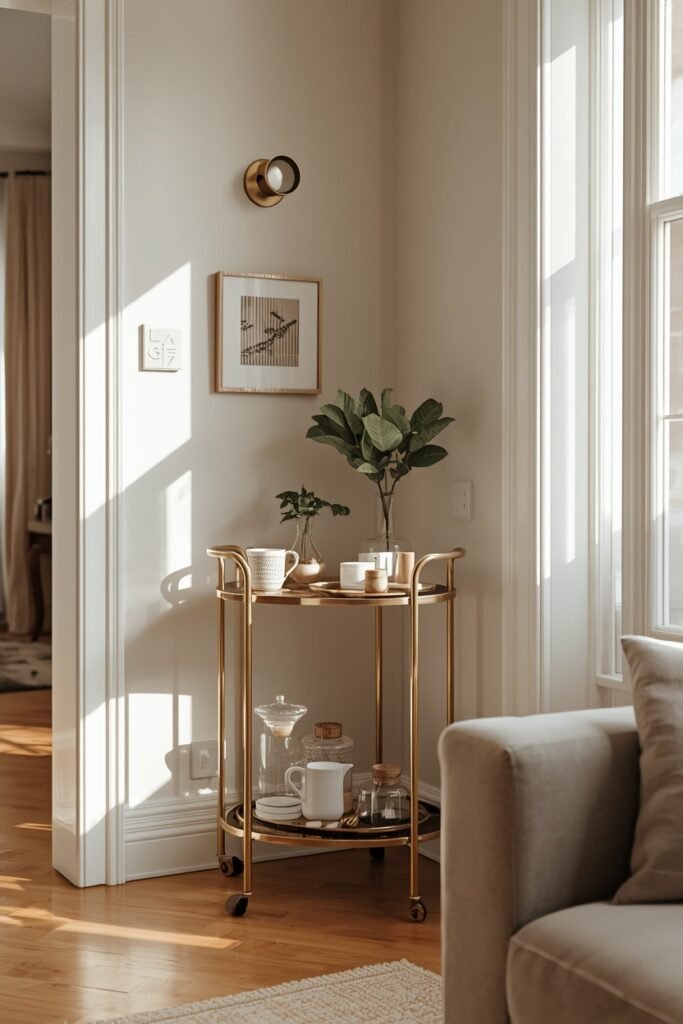
Pick a slim cart, console, or small cabinet that will not crowd walkways.
Style the top with a tray, cups, and one cosy detail like a candle or tiny plant.
Use the lower shelf for jars, napkins, or a kettle so the corner earns its keep.
3. Build a Window Corner Bench With Hidden Storage
Some corners need seating, but not another bulky chair. A slim bench under or near a window can give you storage, a perch, and a softer edge all at once.
Think of the difference:
- Before: a corner that collects nothing but dust
- After: a tidy seat with baskets, folded throws, or board games tucked underneath
Keep the top cushioned so it feels inviting. Add two pillows and the bench starts looking like part of the room instead of a spare piece. This is a smart move in small living rooms where every item needs a job.
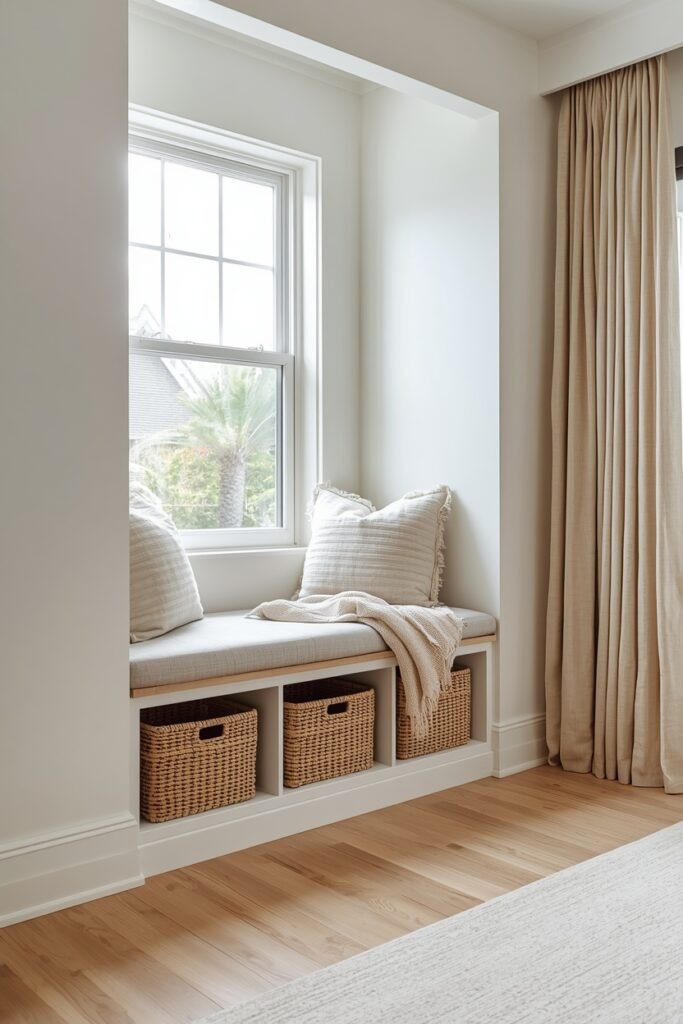
An awkward corner sits empty, looks flat, and does nothing for storage or seating.
A slim corner bench adds a seat on top, hidden storage below, and a finished look around the window.
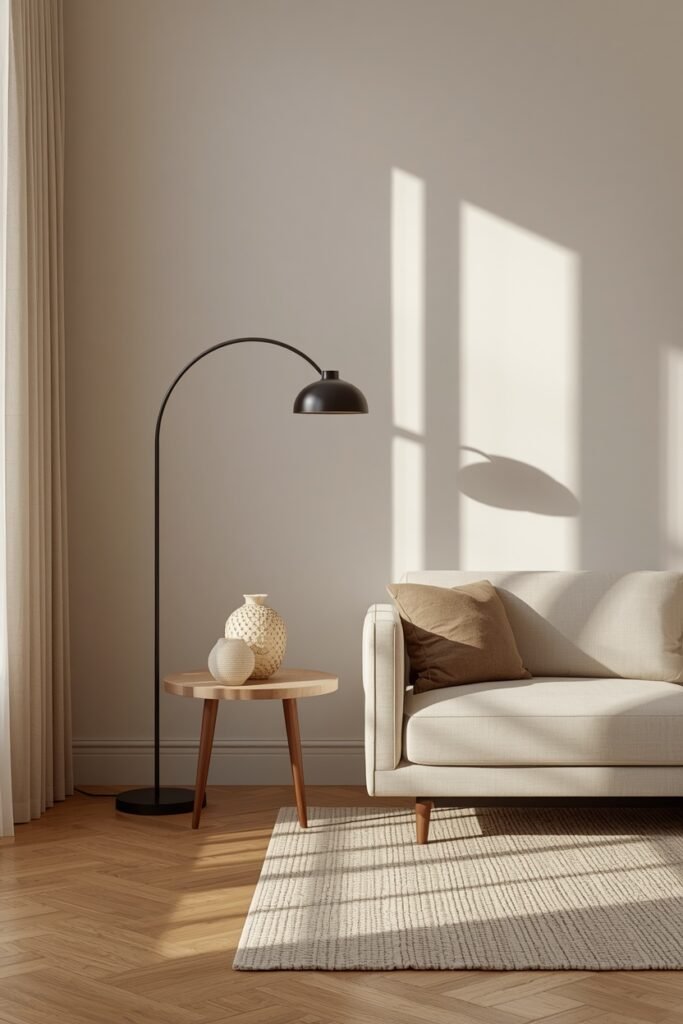
4. Use a Sculptural Floor Lamp to Make the Corner Feel Intentional
Lighting can rescue a forgotten corner without adding much bulk. A tall floor lamp with a bold shape gives the area presence, especially when paired with one small side table or stool.
Best use for this idea:
- A dim corner that feels dead at night
- A room that already has enough storage
- A layout that needs vertical balance near a sofa or media unit
Choose a lamp with a shape you actually notice. The goal is not just more light. The goal is making the corner look chosen.
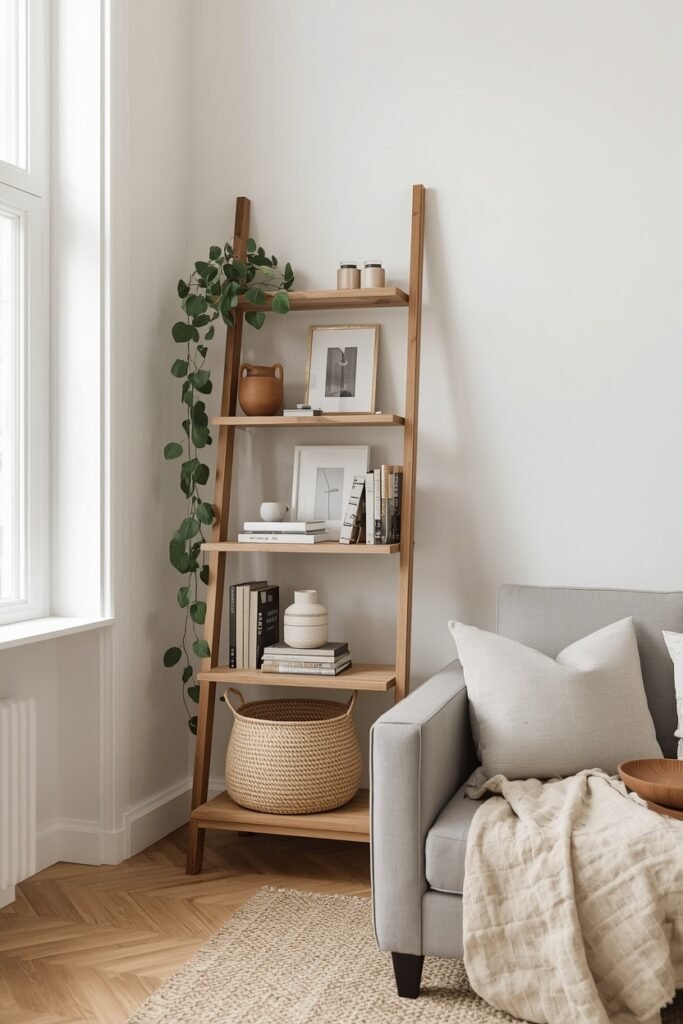
5. Add a Ladder Shelf for a Light, Flexible Display
Got a corner that feels too narrow for a cabinet but too blank to ignore? A leaning ladder shelf adds useful display space without making the living room feel heavy.
It works well for a small mix of books, framed art, baskets, and trailing plants. Leave some open space between items so the shelf still feels light. This is also a practical choice for renters because it does not require a large built-in unit.
Keep the styling loose rather than filling every shelf. A few carefully placed pieces will make the corner feel finished without creating more clutter.
A ladder shelf is especially good for renters because it feels easy and unfussy. Keep the styling loose, not packed.
| Works Well If… | Less Ideal If… |
|---|---|
| You want to display books, art, plants, and a few baskets. | You need closed storage that completely hides clutter. |
| The corner needs height while still feeling open and airy. | The room already contains several busy displays or shelves. |
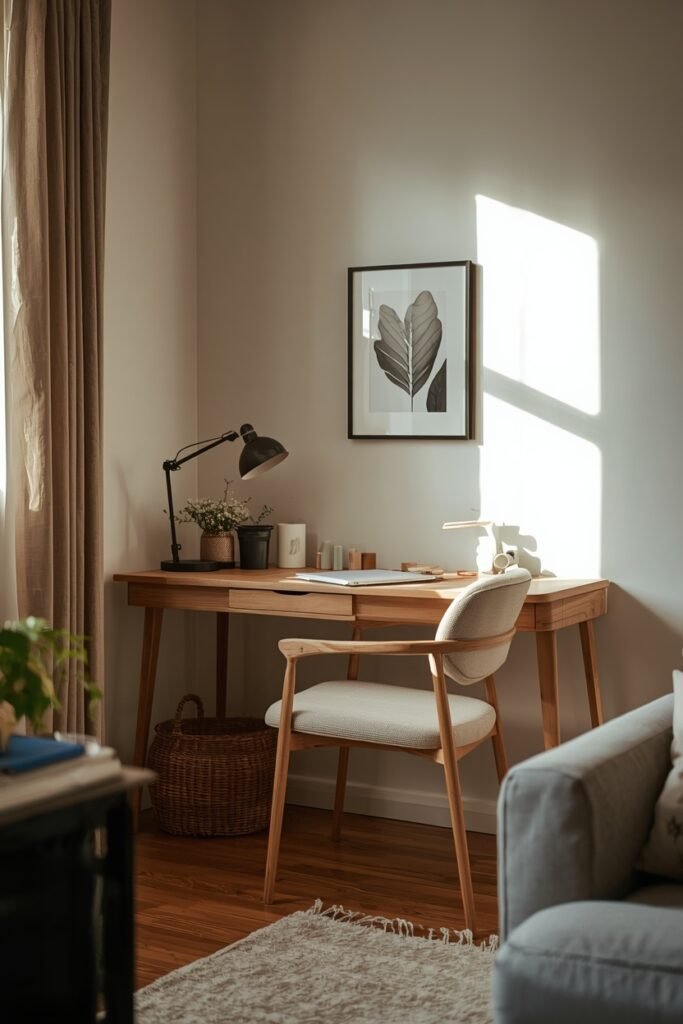
6. Turn the Corner Into a Tiny Work or Writing Spot
Living rooms often hide the one corner that could handle a compact desk. If you work from home sometimes, a slim writing table can make the space more useful without turning it into a full office.
A few rules help:
- Keep the desk narrow and visually light
- Use a wall sconce or small lamp instead of bulky lighting
- Limit decor so the corner stays calm and clean
Skip heavy office furniture here. The corner should still feel like part of the living room. A simple chair, one notebook, and a soft pinboard or art print usually does enough.
Choose a slim desk with open space underneath.
Blend the setup with the room using warm finishes and soft styling.
Do not cram in a deep office desk or chunky storage tower.
Avoid visible clutter like cords, piles of paper, and too many tools.
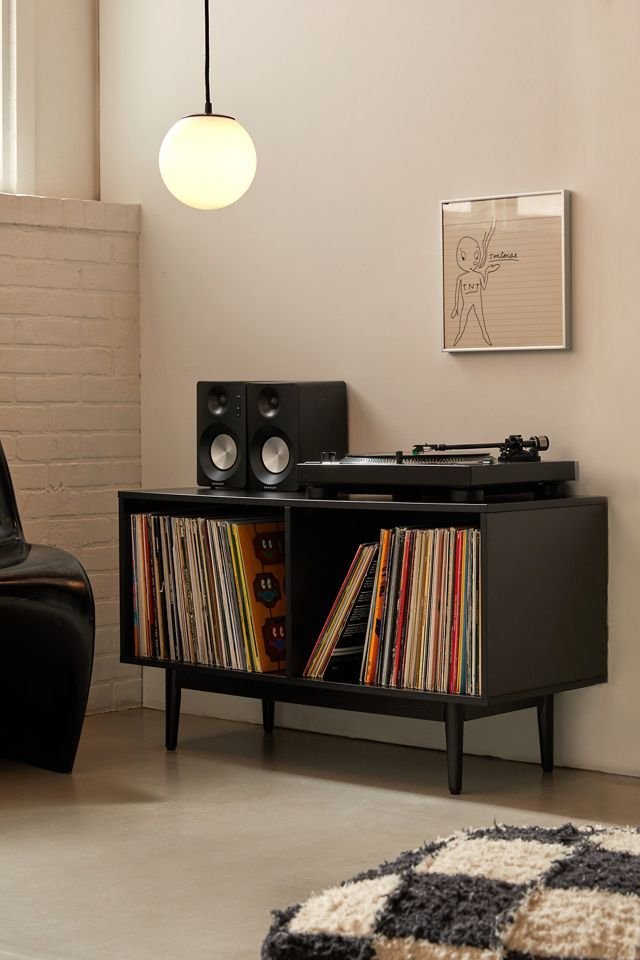
7. Style a Record and Music Corner With Low Storage
A forgotten corner can become one of the most personal spots in the room. A low media cabinet or record stand gives you space for vinyl, a speaker, and a few objects that feel like you.
Recreate the look with:
- a low cabinet or record crate
- a turntable or compact speaker
- one art piece above
- one plant or lamp to soften the setup
Keep the styling balanced. Music corners look best when they mix function and warmth, not when every inch is filled. The nice part is that even a small setup makes the room feel more lived in.
Recreate this look
8. Create a Soft Conversation Corner With Poufs and a Small Table
Not every empty corner needs storage. Some corners feel better when they invite people to pause for a minute. Two floor poufs or one pouf with a compact accent chair can make that happen without blocking the room.
It works best when the space needs a human touch rather than more stuff. Add a small round table in the middle, then finish with a throw or one textured cushion.
The key is keeping the scale low and relaxed. A setup like this can make a living room feel more social, especially in larger layouts where one corner seems disconnected.
A low seating cluster makes a large or awkward corner feel connected to the rest of the living room without adding visual heaviness.
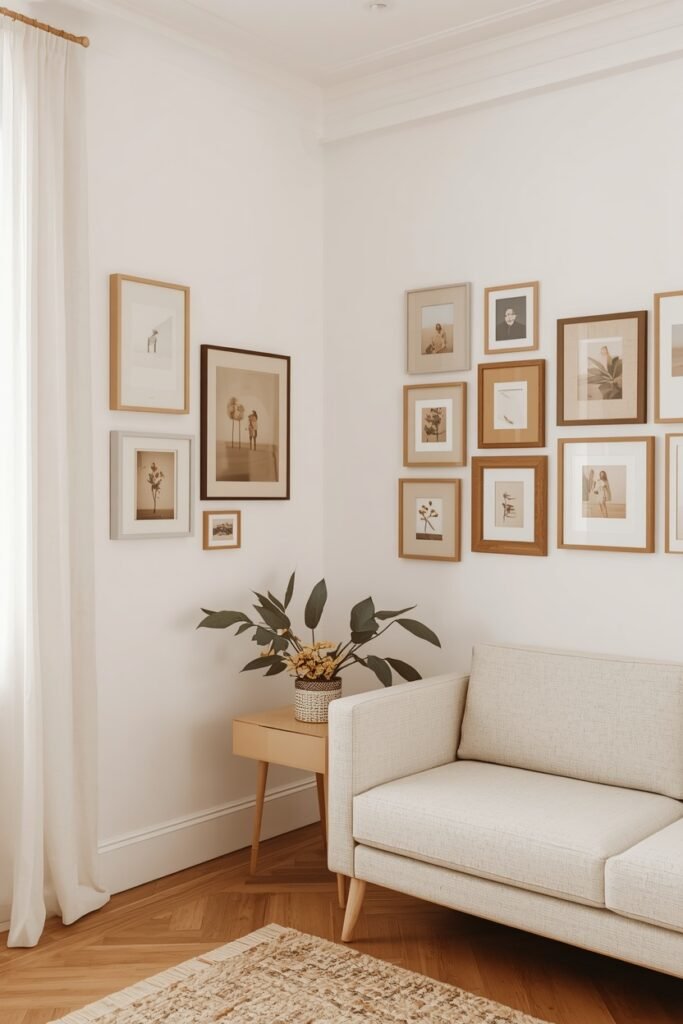
9. Build a Corner Gallery Wall That Climbs Upward
Wall art can fill an empty corner without using any floor space. Instead of centring every frame on one wall, let the arrangement wrap around both sides of the corner.
Start with one larger print at eye level, then build outward with smaller frames. Mix simple artwork, personal photos, and one textured piece so the display does not feel flat. Keeping the frame colours similar will help different images feel connected.
Lay the arrangement on the floor before hanging anything. Uneven spacing is often what makes a corner gallery look messy rather than relaxed.
💡 Hanging Tip
Keep the gaps between frames similar, even when the artwork sizes are different. This makes the display feel intentional across both walls.
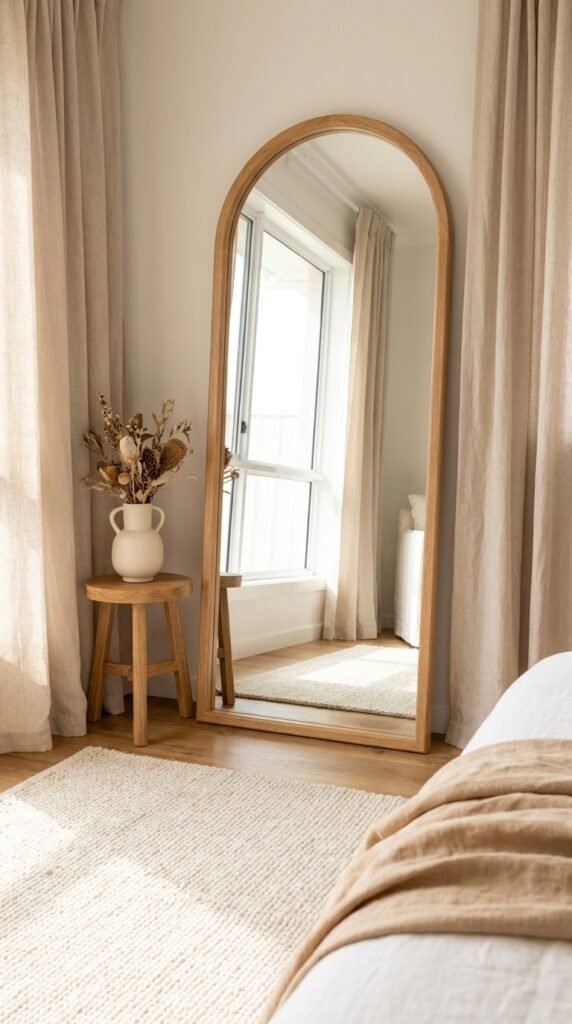
10. Reflect More Light With an Oversized Arched Mirror
A large mirror can make a dark or narrow corner feel more open. Lean an arched mirror against the wall, then place one low decorative piece beside it so the corner looks styled without becoming crowded.
A small stool, ceramic pot, or woven basket is enough. The mirror should remain the main feature.
This setup is especially useful across from a window, where it can catch natural light and send it deeper into the living room. Check what the mirror reflects before choosing its final position. A view of the window, artwork, or greenery will look much better than a television or busy doorway.
11. Add a Compact Corner Fireplace for a Cosier Focal Point
An unused corner can hold more than decor. A compact electric fireplace creates a second focal point and gives the room a warmer place to gather during colder evenings.
Keep the surrounding design simple so the fireplace does not compete with the television or main seating area.
- Choose a slim unit made for corner placement
- Leave clear space around the heater vents
- Style the mantel with only a few low objects
- Angle nearby seating toward the flame
Always follow the manufacturer’s clearance and installation instructions. Soft lighting nearby will make the corner feel cosy even when the heater is switched off.
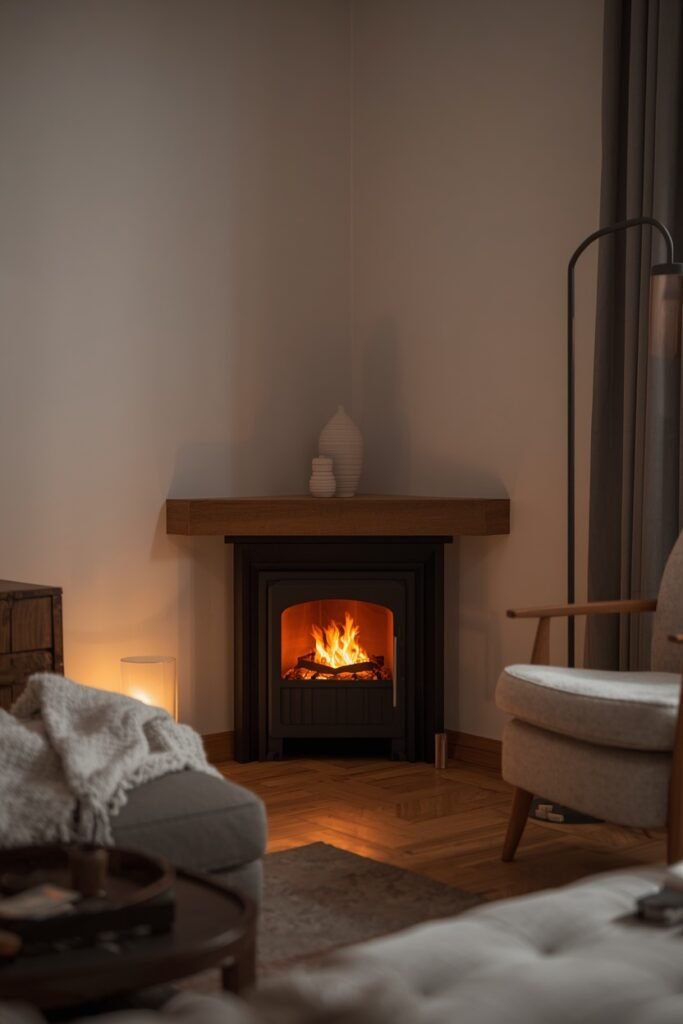
Measure both corner walls and confirm the required ventilation space.
Position the unit where the flame can be seen clearly from the main seats.
Use restrained mantel decor so the corner remains calm and uncluttered.
12. Make a Comfortable Pet Corner That Blends With the Room
Pet beds often end up in the middle of a walkway because no clear spot has been planned for them. A quiet living room corner can become a comfortable retreat while keeping bowls, blankets, and toys contained.
Choose a bed in a colour that works with the rug or sofa. Add one washable mat beneath it and use a small basket for toys. A wall hook can hold a lead without taking up floor space.
Keep the corner away from loud speakers, direct heat, and busy doors. Your pet gets a calm place to rest, and the living room stays easier to tidy.
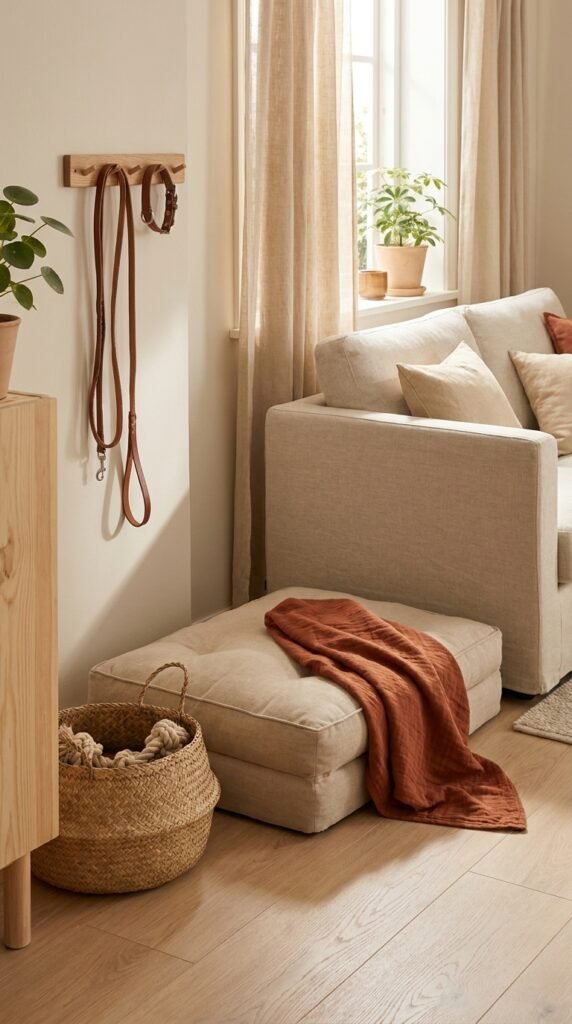
A washable bed or cushion with enough room to stretch.
A small basket that keeps toys and blankets in one place.
Placing the bed beside a hot radiator or cold draught.
Overfilling the area with decor that could be knocked over.
13. Use a Glass Front Cabinet to Display Special Pieces
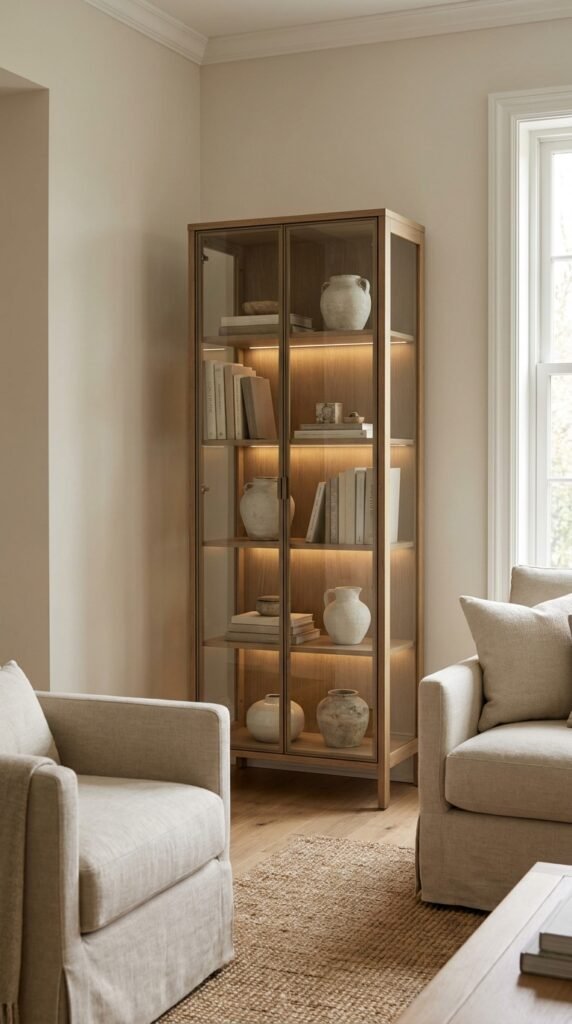
Closed storage can make a corner feel bulky, while open shelves can quickly look untidy. A narrow glass front cabinet gives you a middle option. It protects books, ceramics, and collected pieces while still letting them become part of the room.
Group similar objects together instead of spreading everything evenly. For example, keep books on one shelf, ceramics on another, and smaller keepsakes in a shallow tray.
Leave a little open space on every shelf. The eye needs somewhere to rest, especially inside a tall cabinet. Soft rechargeable lighting inside can make the display feel warmer after dark.
14. Give Children a Low Creative Corner
A small section of the living room can become a child friendly drawing and activity spot without making the whole room feel like a playroom.
Use a low table with one or two small seats. Store crayons, paper, and puzzles in shallow baskets that a child can reach without help. A simple wall rail or corkboard can hold current artwork and keep the tabletop clear.
Choose washable surfaces and rounded furniture where possible. Limiting the supplies on display also makes cleanup quicker. Rotate a few activities rather than storing every toy in the corner at once.
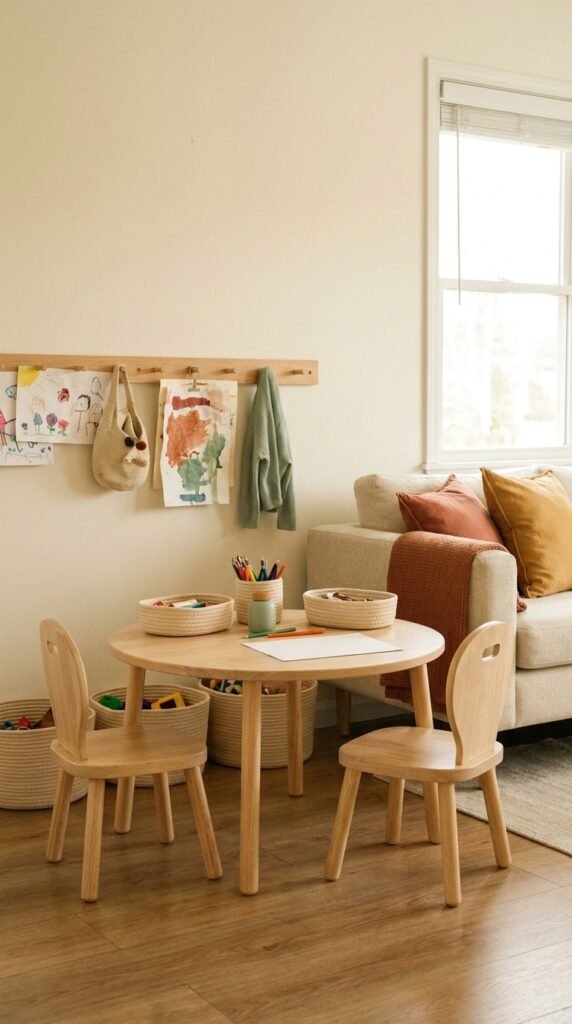
Set Up the Corner
15. Soften an Awkward Corner With a Decorative Folding Screen
Some corners contain outlets, router cables, or odd wall angles that are difficult to decorate. A folding screen can hide the visual clutter while adding height, pattern, and texture.
Place it slightly open rather than pressing it flat against the wall. This gives the corner more depth. A woven or wood screen will suit relaxed rooms, while a painted panel can bring in colour.
Keep the area in front simple. One floor cushion, basket, or low planter is enough. Make sure the screen stays clear of heaters and does not block airflow around electronic equipment.
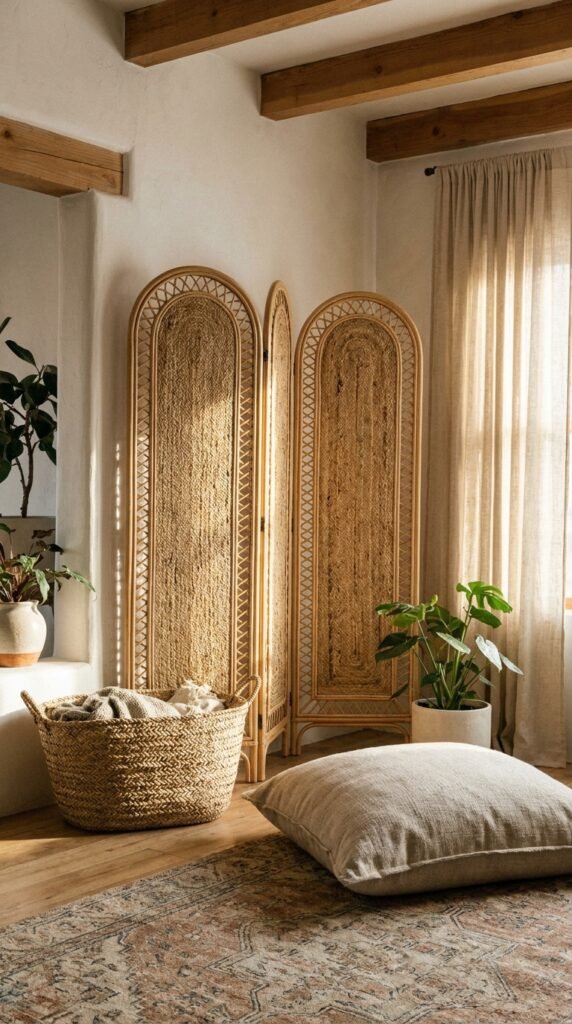
A folding screen covers awkward details, gives the corner vertical interest, and can be moved whenever the room layout changes.
16. Create a Hanging Chair Corner With a Small Side Perch
A hanging chair can turn a forgotten corner into a playful seat without adding another heavy armchair. It suits rooms with enough open space around the chair for gentle movement.
Pair it with a small wall mounted ledge or compact side table for a drink and book. One cushion and a light throw will soften the seat without hiding its shape.
The ceiling fixing must support the chair and the person using it. Have the structure checked and the hardware installed correctly rather than relying on a decorative hook. Where ceiling mounting is not suitable, choose a chair with its own freestanding frame.
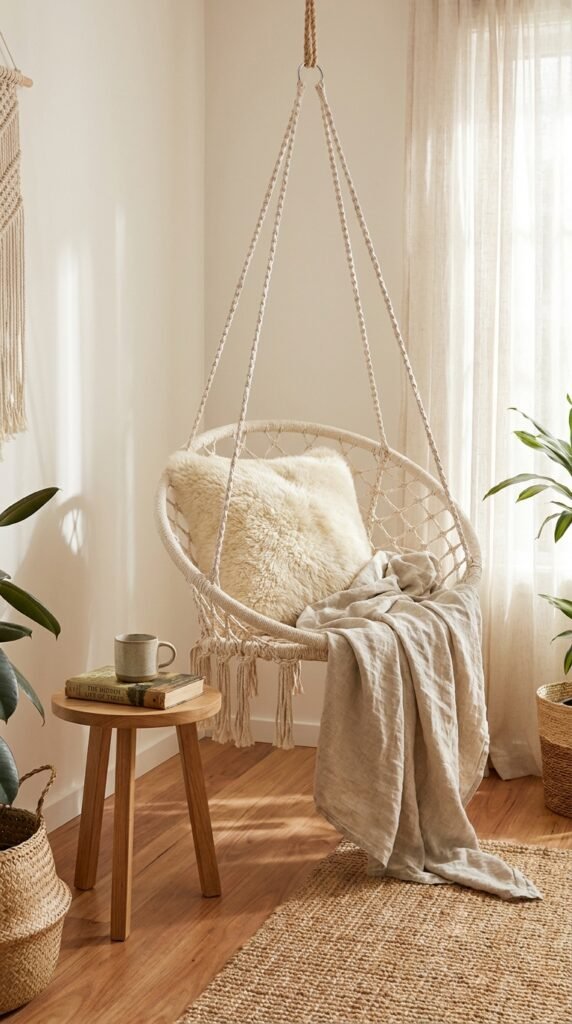
| Ceiling Mounted | Freestanding Frame |
|---|---|
| Creates a lighter look with more open floor space. | Can be moved without altering the ceiling. |
| Needs a suitable structural fixing and correct installation. | Uses more floor space but suits many rental homes. |