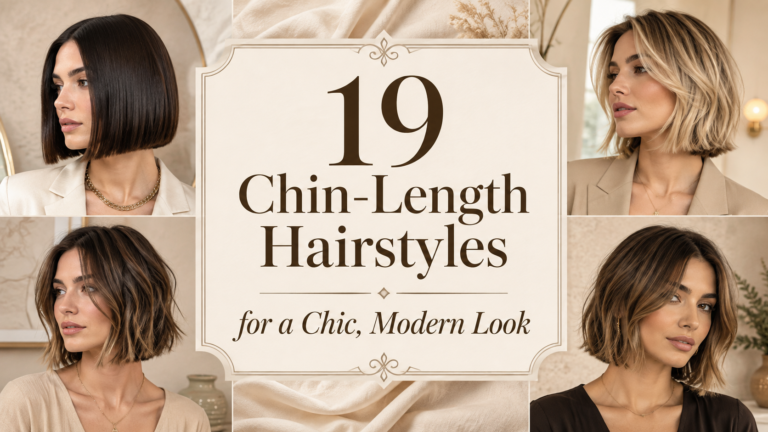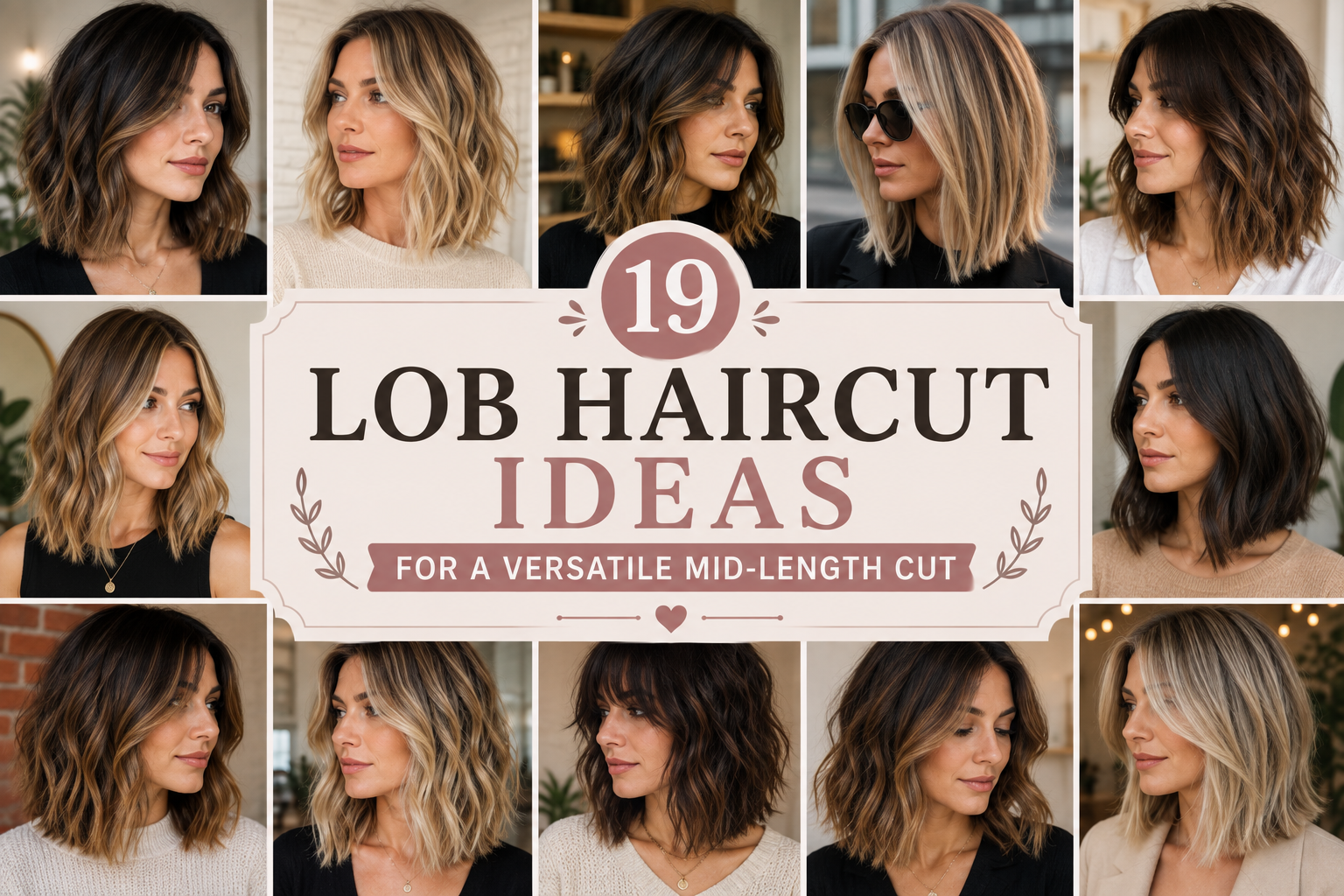
19 Lob Haircut Ideas for a Versatile Mid-Length Cut
A lob sits in that sweet spot where your hair still feels long enough to style, but short enough to look fresh and intentional. The tricky part is that two lobs can look completely different depending on where the ends fall, how the front is shaped, and how much weight is removed through the layers.
This collection of 19 lob haircut ideas for a versatile mid-length cut focuses on those small details. Some options keep the ends thick and blunt. Others use airy layers, loose bends, bangs, or a subtle angle to change the overall shape.
The goal is not to chase one haircut that supposedly suits everyone. It is to find the version that makes sense for your hair texture, daily routine, and the amount of styling you actually want to do.
If your current shoulder-length hair feels flat, bulky, or stuck between short and long, these cuts give you plenty of directions to take it.
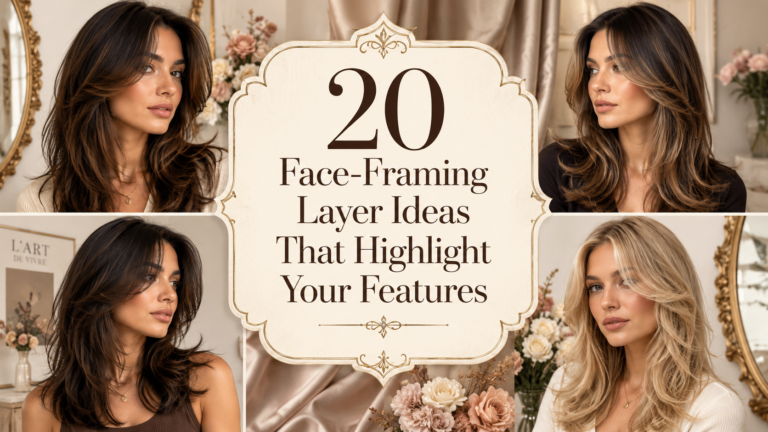
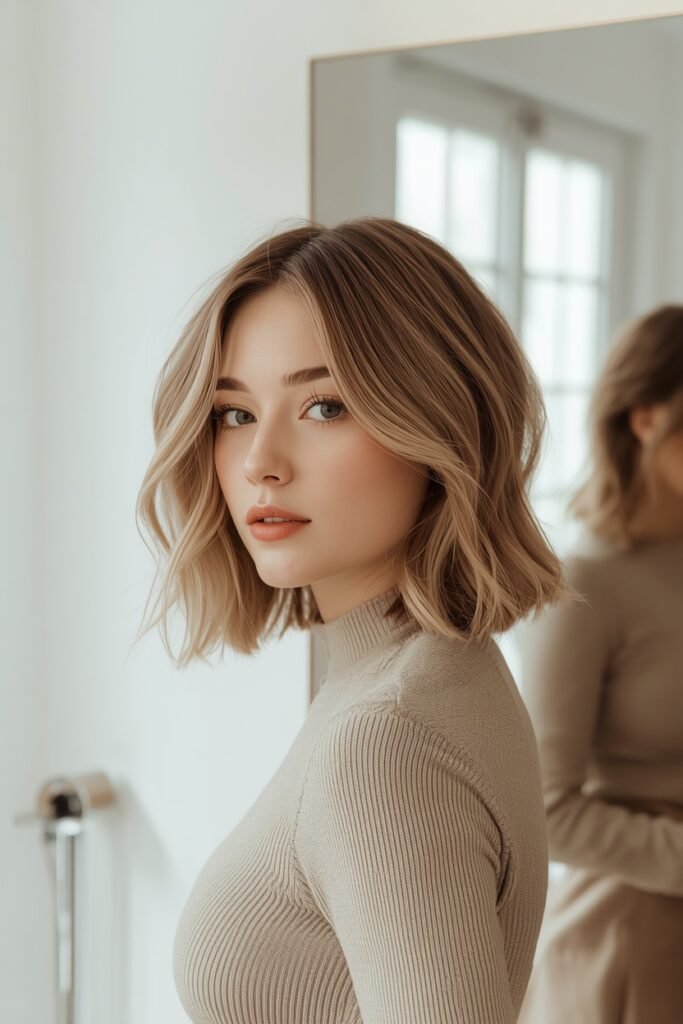
1. The Collarbone Lob With Soft Face-Framing Layers
Collarbone length is useful because it still gives you enough hair to tie back while removing the heaviness that can come with longer cuts.
Keep most of the perimeter fairly full, then add softer pieces around the face.
A few details make the shape work:
- Start the shortest front pieces near the cheekbone or jaw.
- Let them gradually connect into the main length.
- Keep the back longer and less layered so the haircut does not become thin.
This is especially helpful when your hair tends to hang straight beside your face. The front pieces create movement without turning the whole haircut into a heavily layered style.
2. The Blunt Lob With a Clean, Full Bottom Edge
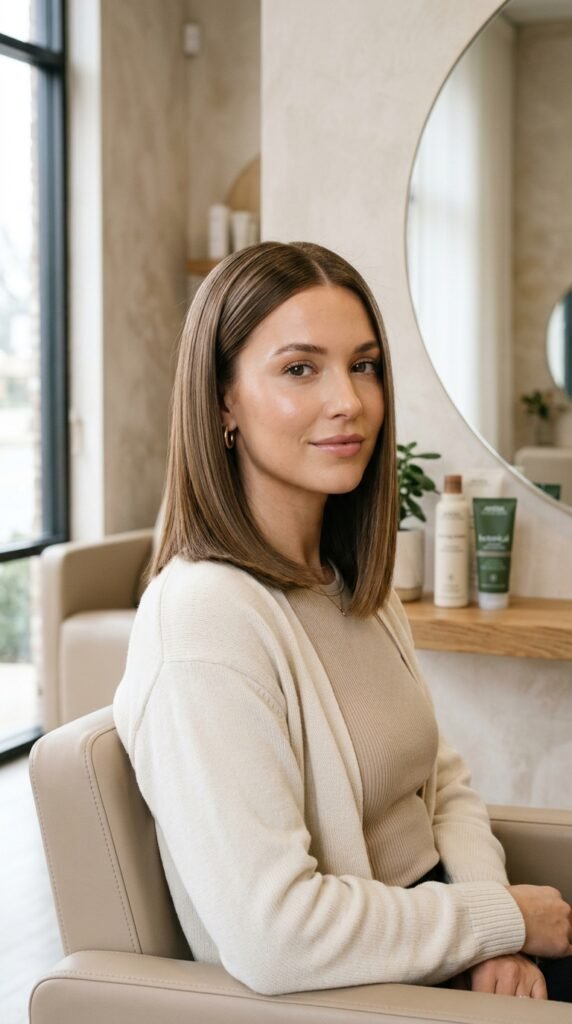
A blunt lob gets its impact from what is left alone.
Instead of cutting lots of layers through the lower half, the stylist keeps the perimeter strong so the ends look thicker. That makes this shape useful for fine or medium hair that can start looking wispy once too much weight is removed.
Ask for:
- A clean line around the bottom
- Minimal layering through the back
- Only subtle shaping near the front if needed
The exact finish can still change. Wear it sleek for a sharper outline, or add a loose bend so the solid edge feels less severe. If your ends already feel sparse, avoid over-texturizing them.
| Blunt Lob | Layered Lob |
|---|---|
| Keeps more weight at the ends | Removes more internal weight |
| Creates a cleaner, denser outline | Creates more visible movement |
| Useful when ends tend to look thin | Useful when hair feels heavy or bulky |
3. The Textured Lob With Piecey, Lived-In Ends
A freshly cut lob can sometimes feel too solid around the shoulders. Light texture through the ends breaks up that straight line without removing the overall shape.
The goal is separation, not thinning the haircut until the bottom looks sparse.
For a softer finish:
- Keep the upper section relatively simple.
- Concentrate texture through the last few inches.
- Style with loose bends rather than identical curls.
A small amount of lightweight texture spray or styling cream can help individual pieces show without making the hair crunchy. This cut looks especially natural on hair that already has a slight bend and never dries completely pin straight.
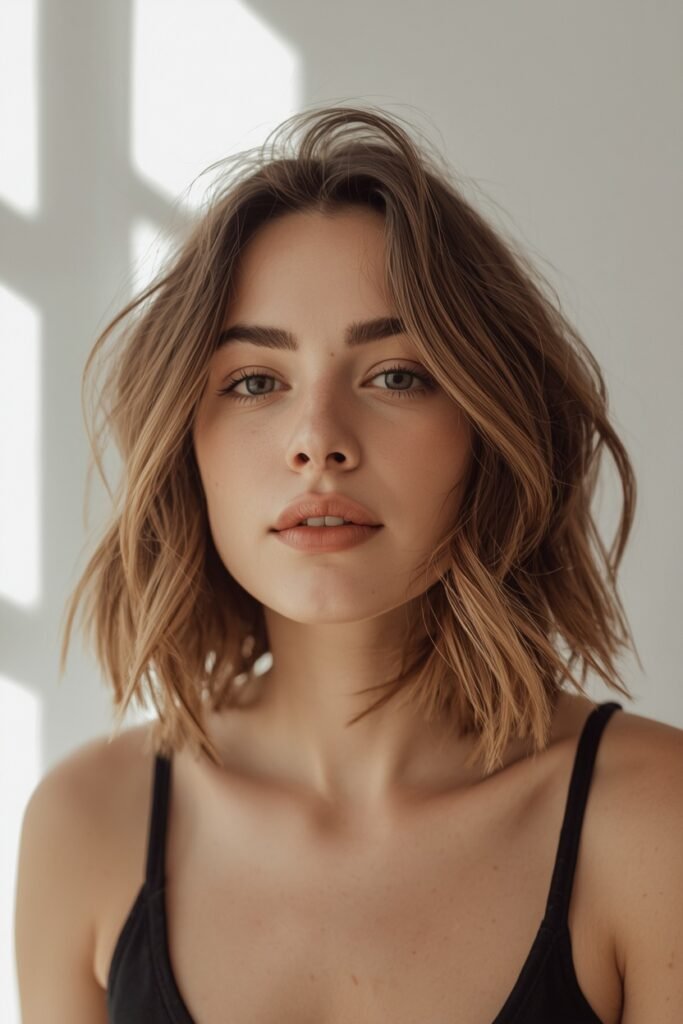
The ends sit in one heavy line, so loose styling can still look blocky around the shoulders.
Softly separated ends create movement while the haircut still keeps enough density through the bottom.
4. The Side-Parted Lob With Extra Root Volume
Changing the part can alter a lob more than people expect.
A deeper side part shifts more hair to one side, which naturally creates lift near the crown and a fuller sweep around the forehead. It works well when a center part makes your roots sit too flat.
Keep the haircut itself fairly balanced so you can switch the part later.
For easier styling:
- Dry the roots in the opposite direction first.
- Flip the hair back to your chosen side.
- Keep the ends smooth or add one loose bend.
Do not force a very deep part if your natural growth pattern keeps fighting it. A slightly off-center version can give a similar lift with less effort.
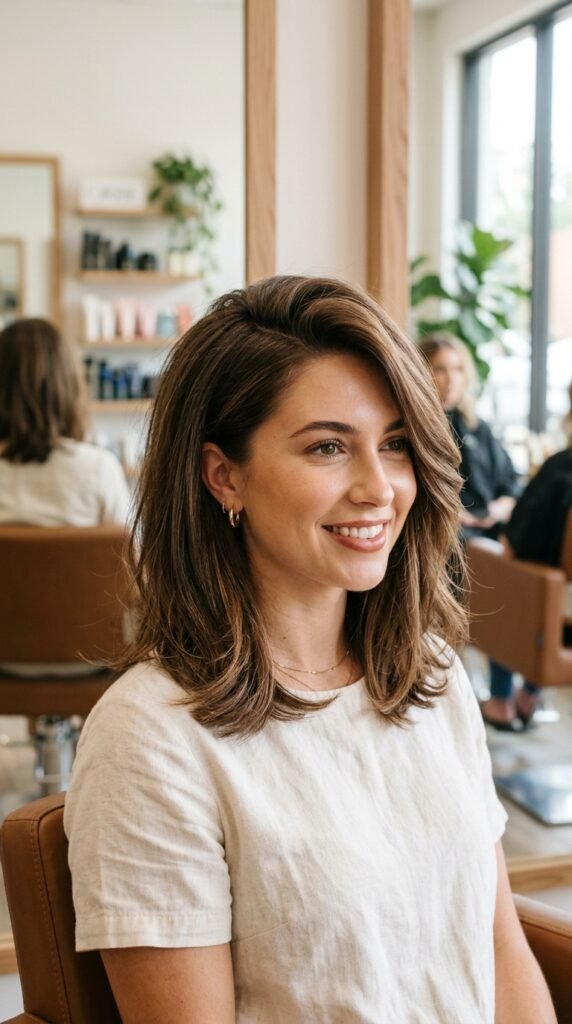
Start drying while your hair is parted slightly opposite from where you plan to wear it.
Lift the front roots with your fingers or a round brush instead of flattening them against the scalp.
Flip the part into place once the roots are mostly dry, then shape the front section away from the face.
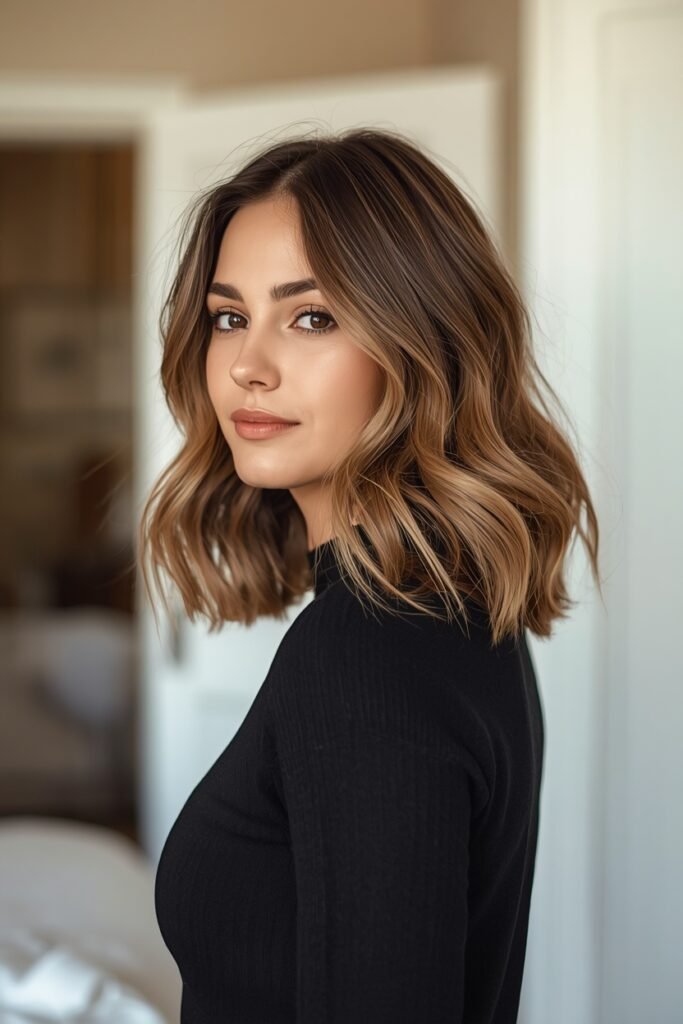
5. The Wavy Lob With Loose, Undone Bends
The easiest wavy lob usually does not have curls running from root to tip.
Instead, the roots stay fairly relaxed while loose bends begin around the cheek or jaw. Leaving some ends straighter keeps the finish casual and stops the hair from shrinking into a much shorter shape.
A simple styling rule helps:
- Change the direction of a few bends instead of curling every section the same way.
- Leave the very front pieces softer so they frame the face rather than spring away from it.
If your hair already has natural movement, work with it before reaching for a hot tool. Sometimes defining two or three awkward sections is enough.
6. The Sleek Center-Part Lob With Tucked Ends
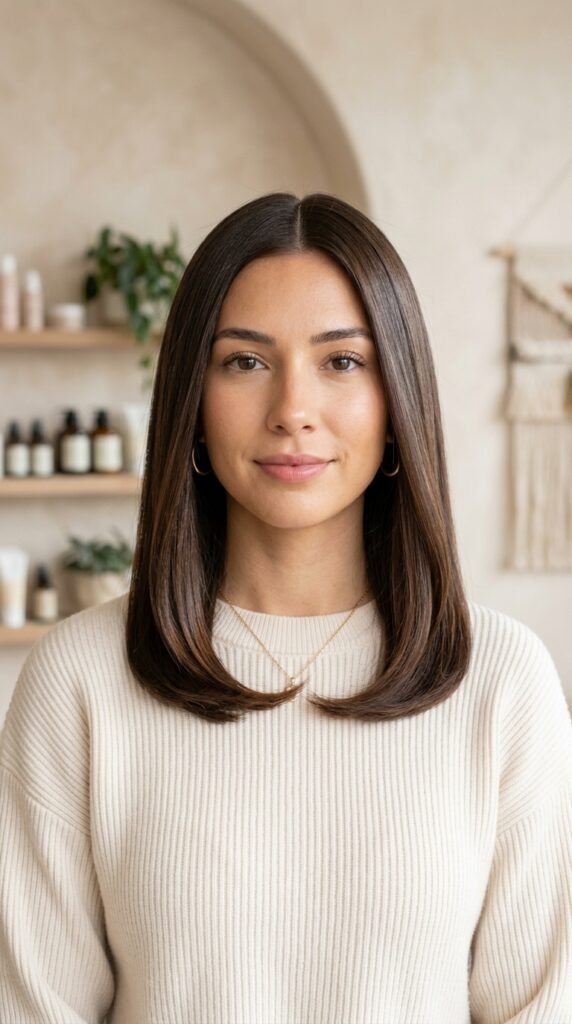
A center-part lob looks strongest when the shape is simple and the finish is controlled.
Keep the length close to the shoulders, smooth the surface, and let the ends curve slightly inward instead of sitting completely flat. That small bend gives the cut a more finished look without turning it into a full blowout.
For a cleaner result:
- Keep the part straight and centered.
- Smooth flyaways without loading the hair with heavy product.
- Direct the ends inward with a brush or straightener.
- Leave a little lift at the roots.
The main mistake is pressing everything too flat. Sleek should still have some softness around the crown.
💡 Quick Tip
Smooth the mid-lengths and ends first, then lift the roots with your fingers before the hair fully cools. That keeps the finish polished without making the top look pressed down.
7. The Layered Lob With Airy Movement Through the Ends
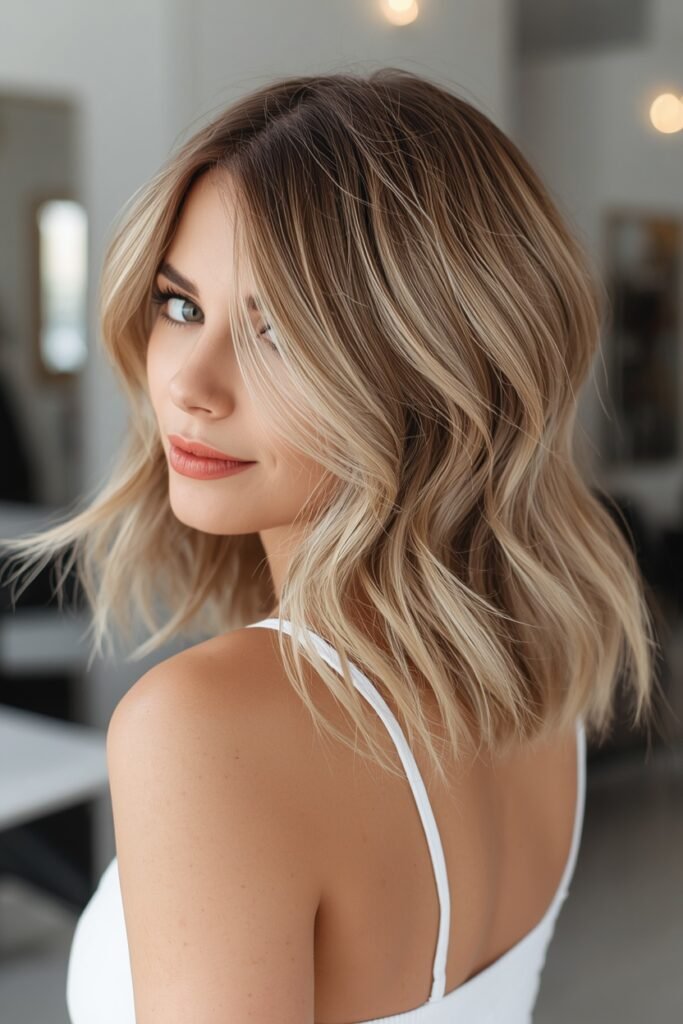
Long layers are useful when your lob feels too heavy but you do not want a choppy haircut.
The key is keeping the shortest layers fairly long. They should blend into the rest of the cut and create movement when you turn your head, not leave obvious steps through the sides.
This shape works especially well when:
- Your hair feels bulky near the shoulders.
- You want more swing without losing much length.
- You style with a round brush or loose waves.
Ask your stylist to preserve fullness around the perimeter. Too many short layers can make a mid-length cut look thin faster than expected.
Keep the shortest layers long enough to blend naturally.
Leave enough weight through the bottom to keep the lob looking full.
Very short crown layers that create a disconnected top section.
Heavy thinning through already fine ends.
8. The Lob With Curtain Bangs That Blend Into the Sides
Curtain bangs can make a basic lob feel much more shaped around the face without giving you a short, solid fringe.
The most wearable versions are longer through the outer edges and blend directly into the side layers. That way, the bangs still look intentional as they grow.
Before cutting them, think about:
- How often you are willing to style the front.
- Where your natural part sits.
- How much your hair shrinks when dry.
- Whether you tuck your hair behind your ears often.
A longer starting point is usually easier to adjust than cutting too short on the first appointment.

Before You Get Curtain Bangs
9. The Italian-Inspired Lob With Full, Bouncy Ends
This version of the lob is less about sharp lines and more about fullness.
The ends usually sit around the shoulders with enough weight to create a rounded shape. Soft layers help the hair move, but the perimeter still looks dense rather than wispy.
The styling matters just as much as the cut.
Use a round brush or large rollers to lift the roots and turn the ends under or outward in broad sections. The goal is bounce, not tight curls. A bit of volume around the sides also keeps the shape from looking too narrow.
For the best effect, avoid over-texturizing the bottom edge.
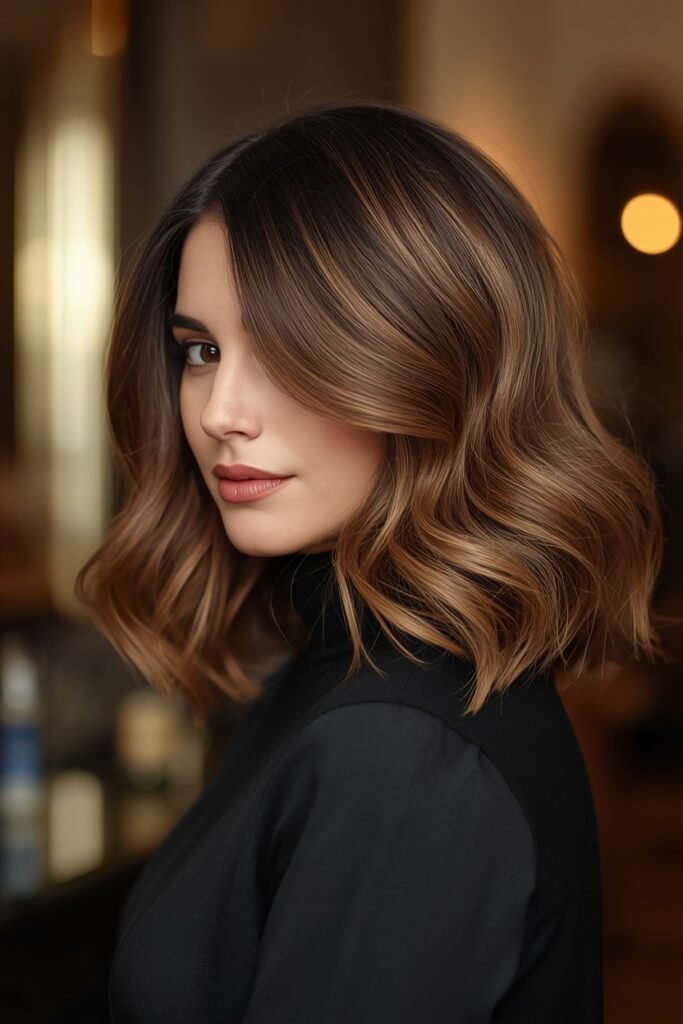
Keep the bottom line full. The rounded, bouncy shape depends on having enough density through the ends to hold that polished silhouette.
10. The Choppy Lob With Shorter Layers Around the Crown
A choppy lob has more visible separation than a soft layered cut.
Shorter pieces through the crown create lift, while uneven lengths through the sides give the haircut a more relaxed, broken-up finish. It works best when you actually want the layers to show.
This cut can be a strong match for:
- Medium to thick hair that feels heavy.
- Naturally wavy texture.
- Hair that responds well to air-drying.
- Anyone who prefers a less polished finish.
Fine hair needs a little more caution. Too much chopping through the lower half can make the ends look thin, so keep some weight around the perimeter.

- ▸Best when you want visible texture rather than a smooth outline.
- ▸Works especially well with medium, thick, or naturally wavy hair.
- ▸Ask to keep enough density through the ends so the cut still looks full.
11. The Curly Lob Shaped to Keep Natural Volume Balanced
A curly lob should be cut with the curl pattern in mind, not treated like straight hair that happens to curl later.
The main goal is balance. Too much weight at the bottom can create a triangle shape, while too many short layers can make the crown puff up more than you want.
A good curly lob usually considers:
- Where the curls naturally spring up
- How much shrinkage happens after drying
- Which areas need weight removed
- Where you want the widest part of the shape to sit
The finished length may look different dry than it does wet, so discussing shrinkage before cutting matters.
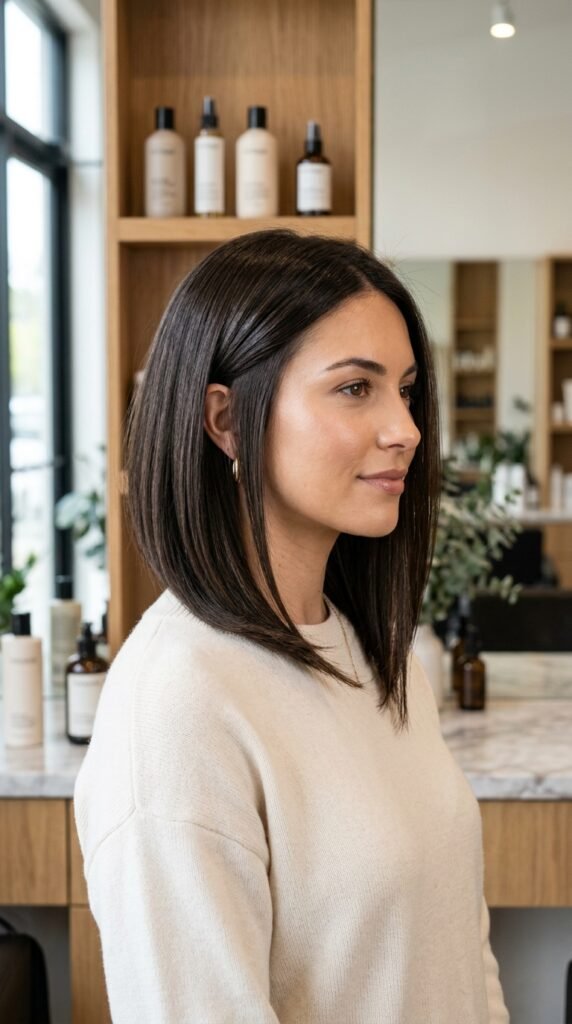
12. The Angled Lob With a Slightly Longer Front
An angled lob does not need a dramatic slope to look intentional.
Keeping the front pieces slightly longer than the back can create a cleaner outline around the jaw and collarbone while still feeling easy to wear. The difference can be subtle enough that the cut still works with waves, straight styling, or a tucked-behind-the-ear finish.
A softer angle usually feels more flexible day to day.
The stronger the difference between the front and back, the more noticeable the haircut becomes. If you want something that grows out quietly, keep the angle restrained rather than turning it into a sharp A-line shape.
| Subtle Angle | Dramatic Angle |
|---|---|
| Front is only slightly longer | Front and back lengths differ clearly |
| Easier to wear wavy or straight | Looks strongest when the shape is visible |
| Grows out more softly | Needs more attention to maintain the angle |
13. The Shaggy Lob With Wispy Layers and Soft Fringe
A shaggy lob works by breaking up the shape rather than keeping every section neat and uniform.
The fringe stays light, the layers are more visible, and the ends have an airy finish instead of one heavy line. It can make naturally wavy hair feel more expressive without needing a polished blowout every morning.
Keep the fringe soft enough to separate rather than forming a thick block across the forehead.
The best balance usually comes from leaving some fullness near the bottom. If every layer is heavily thinned, the cut can lose the relaxed shape that makes a shaggy lob appealing in the first place.
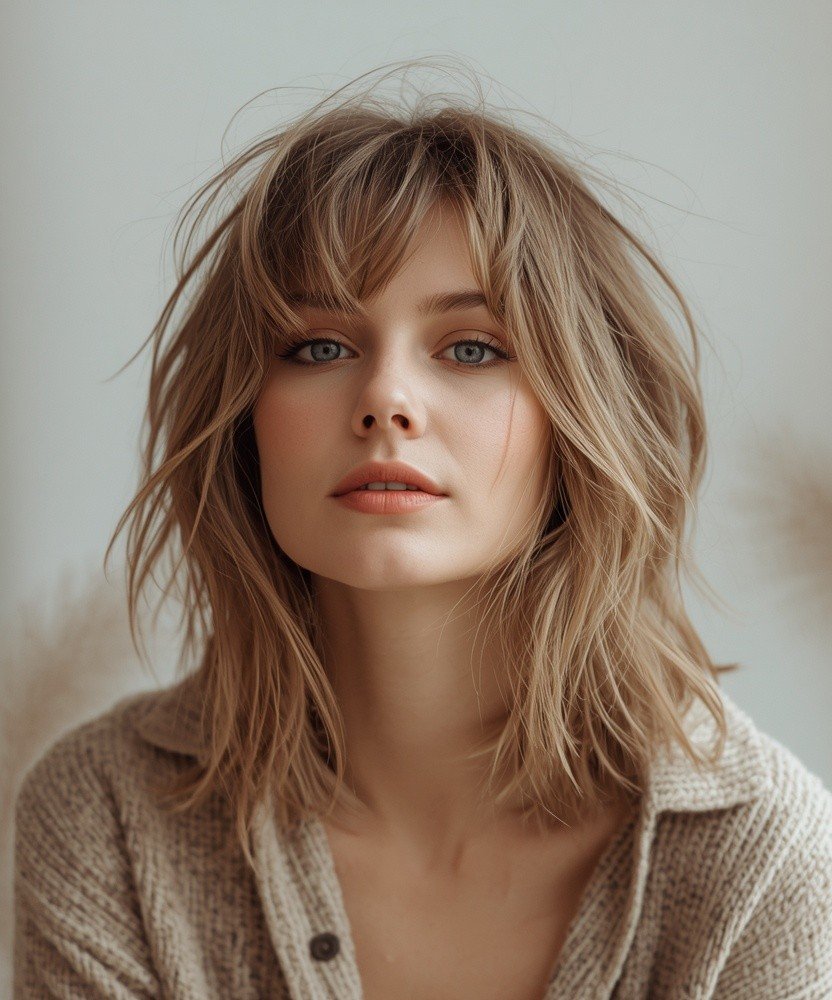
A one-length shape can feel heavy through the sides and leave natural waves sitting flat near the crown.
Wispy fringe and broken layers create more lift, separation, and movement without shortening the overall cut too much.
14. The Lob With Long Side Bangs for Softer Face Framing
Long side bangs are a lower-commitment way to change the front of a lob.
Instead of sitting across the forehead, they sweep toward one side and gradually blend into the rest of the haircut. The length gives you more freedom to tuck them back, pin them away, or let them fall forward.
A useful starting point is somewhere around the cheekbone or jaw, depending on how much coverage you want.
Shorter pieces feel more like true bangs. Longer pieces behave more like face-framing layers. If you change your part often, tell your stylist so the front can still sit naturally in more than one direction.

📌 Good To Know
If you want the side bang to feel easy to grow out, ask for the outer edge to blend gradually into the lob instead of ending as a separate short section.
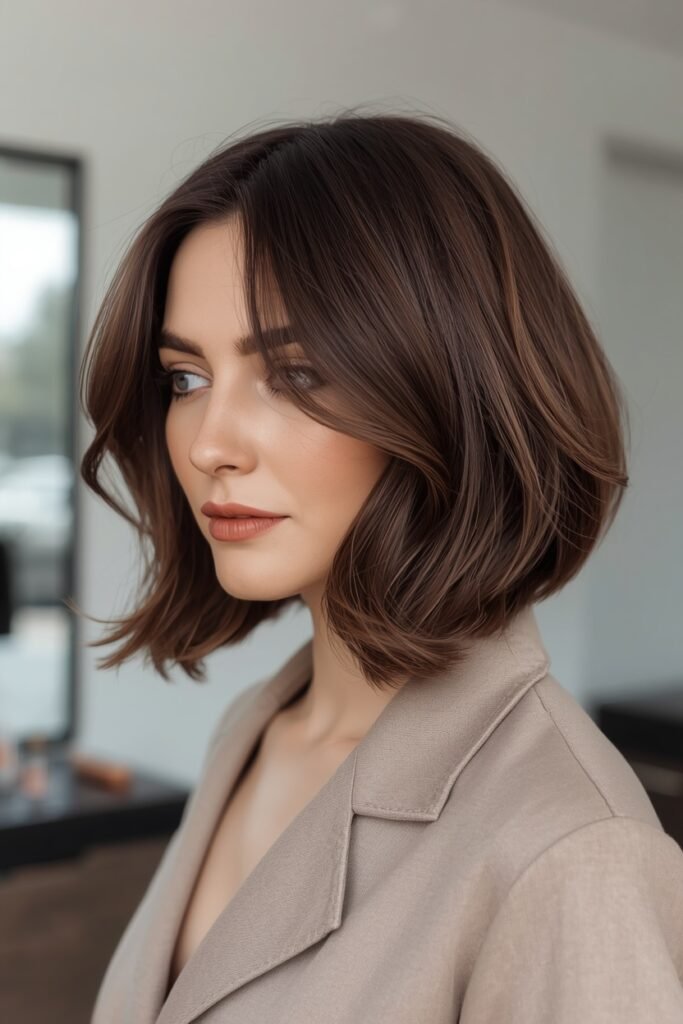
15. The Rounded Lob With a Softly Curved Silhouette
Some lobs look better with a gentle curve than a completely straight bottom line.
This version keeps enough fullness through the ends to create a rounded outline, then uses smooth styling to bring the shape inward around the shoulders. It feels neat without becoming stiff.
A round brush can help create the curve, but the haircut itself should support it.
Keep these three things in mind:
- Preserve density around the perimeter.
- Avoid excessive thinning near the bottom.
- Keep the layers blended and subtle.
This shape works especially well when you like a polished finish but still want the hair to move naturally instead of sitting in a rigid block.
16. The Razored Lob With Feathered, Lightweight Ends
A razor can make a lob feel softer through the bottom without creating obvious short layers.
Instead of a solid edge, the ends look lighter and more separated. This works well when your hair feels bulky near the shoulders or when a blunt cut sits too heavily around the neck.
The important part is control.
Razoring too much can make fine hair look sparse, especially near the front. If your hair already feels thin at the ends, ask for only light feathering rather than aggressive texturizing.
This version usually looks best with a little natural movement, a soft bend, or an air-dried finish that lets the lighter pieces show.
Feathered Ends May Suit You If
17. The Voluminous ’90s Lob With Bouncy Layers
A ’90s-inspired lob is all about movement through the front and crown.
The haircut usually keeps enough length to brush the ends outward while adding long layers that lift instead of collapsing into one shape. The result feels fuller without needing tight curls.
For the styling, think broad sections rather than small ones.
Use a round brush, large rollers, or a wide-barrel tool to create lift at the roots and a soft bend through the ends. Brush the shape out so the layers blend together instead of sitting as separate curls.
The front pieces should open away from the face and connect naturally into the rest of the cut.
Create lift at the crown and curve the front pieces away from the face.
Brush the finished shape so the layers blend into one soft, bouncy silhouette.
Small, tight curls that make the lob look overly set.
Too much product that removes the lightness and bounce from the layers.
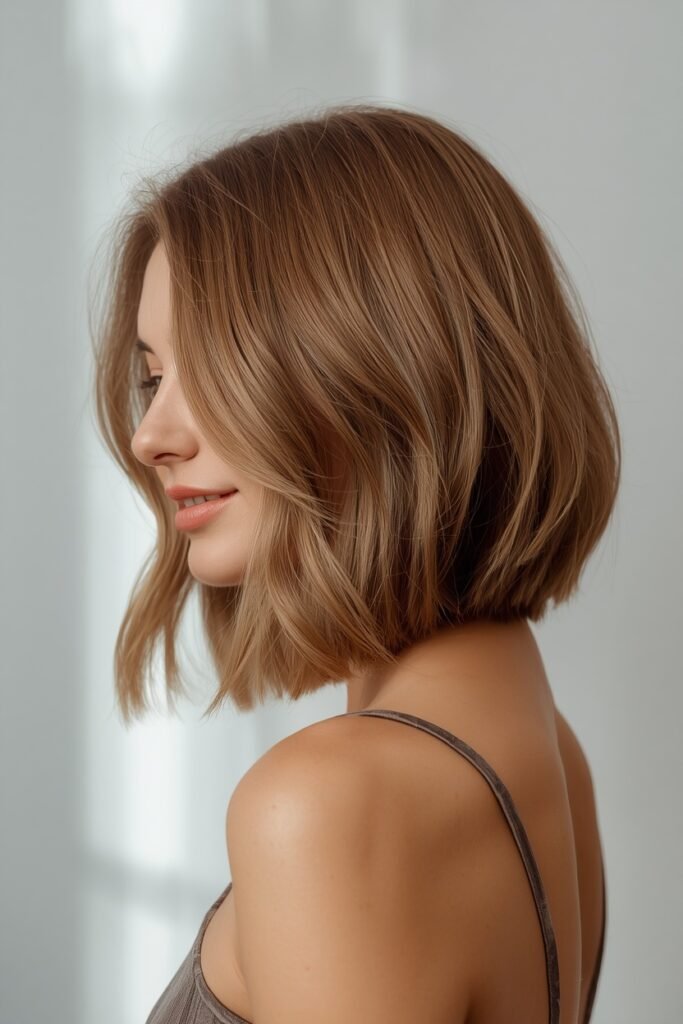
18. The Low-Maintenance Lob With Minimal Invisible Layers
Not every lob needs obvious layering.
If you prefer a cut that still looks good when you do very little to it, keep the perimeter full and add only subtle internal layers. These remove just enough weight to stop the haircut from feeling stiff.
The layers should almost disappear when the hair is straight.
That makes this option useful for anyone who switches between air-drying, quick blow-drying, ponytails, and simple straight styling.
When you talk to your stylist, be clear that you want movement without a layered appearance. The difference sounds small, but it can prevent the haircut from becoming much more textured than you intended.
Ask to keep the outer perimeter full rather than heavily broken up.
Request light internal layering only where the hair feels bulky or sits too flat.
Keep the shortest layers long enough that they disappear into the main shape.
19. The Softly Flipped Lob With Outward-Turned Ends
A small outward flip can completely change the shape of a basic lob.
Instead of curving the ends inward, turn them gently away from the neck. This creates a lighter silhouette around the shoulders and works especially well when the hair sits right at collarbone length.
The flip should stay soft.
Use a round brush or styling tool only through the last section of the hair rather than curling the whole length. Keeping the roots and mid-lengths smoother stops the finish from feeling too retro.
You can flip every section slightly, or focus mostly on the front and side pieces for an even more relaxed version.
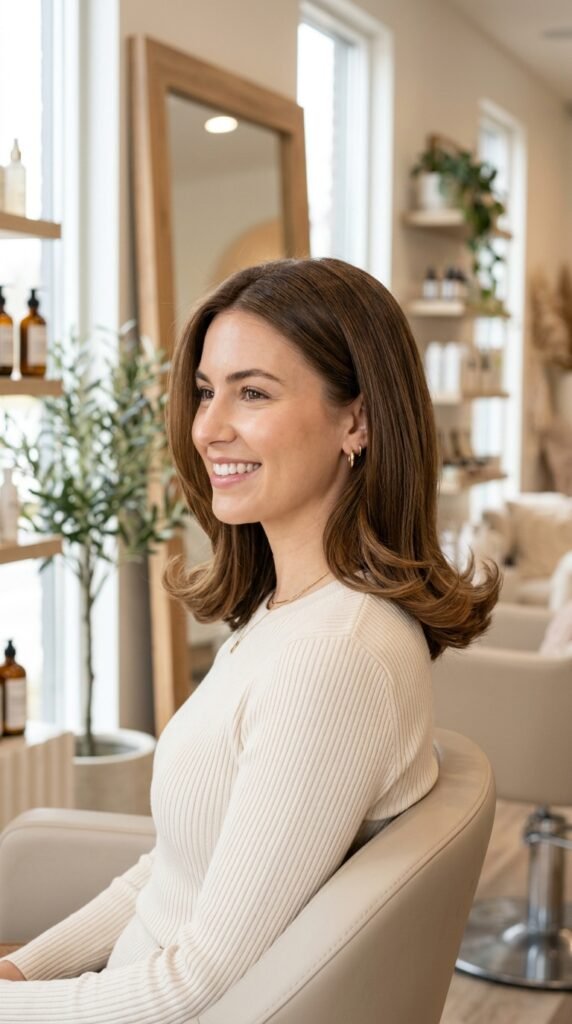
Keep the outward bend at the very ends. A small flip feels fresh, while curling too far up the hair can make the shape look overly styled.
Conclusion
A lob gives you plenty of room to change the shape without committing to a very short haircut. You can keep the ends blunt for fullness, add long layers for movement, bring in curtain bangs for softer framing, or use waves and flipped ends to change the finish from day to day.
The best choice is the one that works with your natural texture, face shape, and normal styling routine. Use these lob haircut ideas as inspiration, save the styles that feel most like you, and take a few reference photos to your next salon appointment.
Save this list on Pinterest so you can easily come back to your favorite lob styles later.