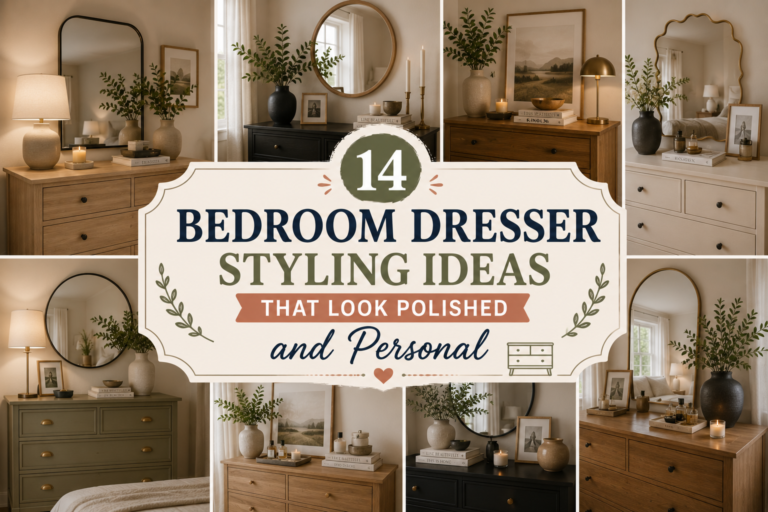
14 Accent Chair Ideas for a More Interesting Living Room
A living room can have a solid sofa, a good rug, and the right coffee table, yet still feel like something is missing. Often, the missing piece is not more decor. It is one chair with enough shape, texture, or colour to give the room a clear point of view.
These 14 accent chair ideas for a more interesting living room focus on choices that do more than fill an empty corner. Some create contrast beside a plain sofa. Others improve a weak layout, soften a heavy furniture set, or turn an unused window area into a comfortable reading spot.
The right chair does not need to match everything else. It simply needs to relate to the room through colour, scale, material, or shape. Small repeats, such as a black frame echoed in a lamp or a chair colour picked up in artwork, can make the choice feel planned.
Start with the room you already have. Then use one of these ideas to add character without replacing every major piece.
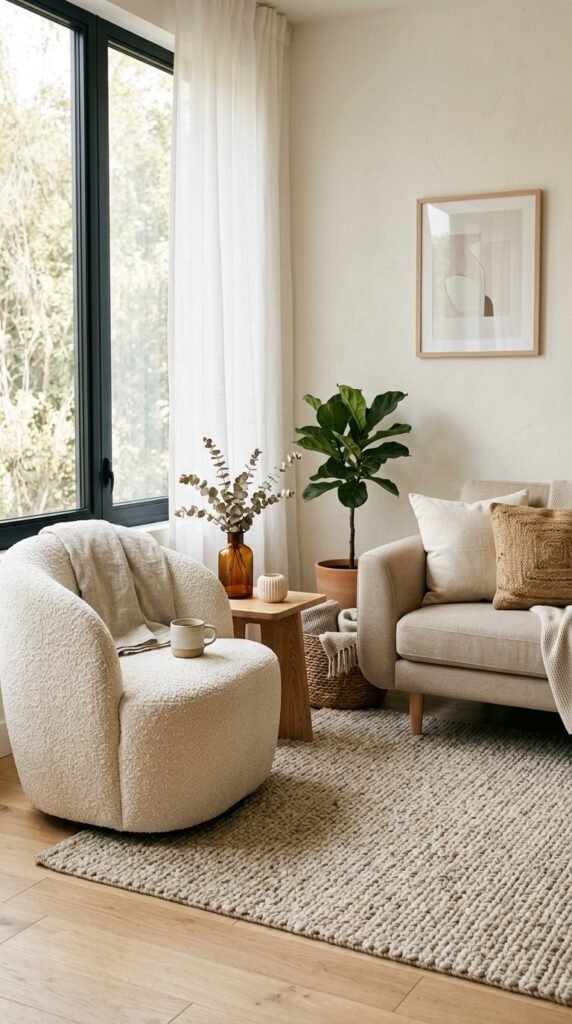
1. Place a Sculptural Bouclé Chair Beside a Simple Sofa
A plain sofa gives a sculptural chair room to stand out. Bouclé works especially well because the nubby texture catches light and softens clean furniture lines.
Look for a chair with one clear feature:
- a curved back
- rounded arms
- a low barrel shape
- a chunky swivel base
Keep the surrounding pieces quieter. A simple side table and one small cushion are usually enough. Too many fluffy fabrics nearby can make the texture lose its impact. This approach works best when the sofa is straight, neutral, and lightly detailed. The chair becomes the part that gives the room movement.
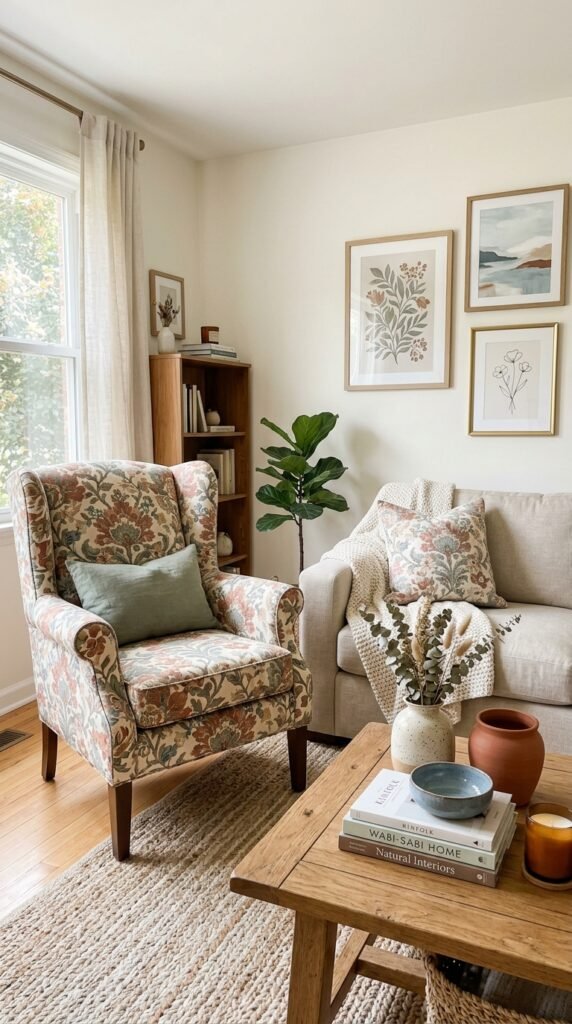
2. Use a Patterned Accent Chair as the Room’s Colour Starting Point
Pattern feels easier to use when the chair becomes the colour guide for the rest of the room. Instead of choosing cushions, art, and throws separately, pull a few shades directly from the upholstery.
A floral chair might give you:
- one deep colour for a cushion
- one soft neutral for curtains
- one lighter shade for artwork or pottery
Keep the larger furniture calm so the pattern does not compete with the sofa or rug. Small repeats are enough. The room should nod to the chair, not copy it everywhere. This makes even a bold print feel connected rather than dropped into the layout at random.
💡 Quick Tip
Choose the quietest colour in the chair pattern for larger items, then repeat the strongest shade only once or twice in smaller details.
3. Float Two Matching Accent Chairs Opposite the Sofa
A sofa pushed against one wall can leave the other side of the room feeling weak. Two matching chairs placed opposite it create a proper conversation area and make the layout feel balanced.
The chairs do not need to be large. In fact, slimmer frames often work better because people can still move around them. Angle them slightly inward so the grouping feels social rather than stiff.
Use one coffee table or ottoman in the centre to connect all three seats. This layout also keeps the room flexible. A chair can be turned toward the television, fireplace, or nearby guest without moving the whole arrangement.
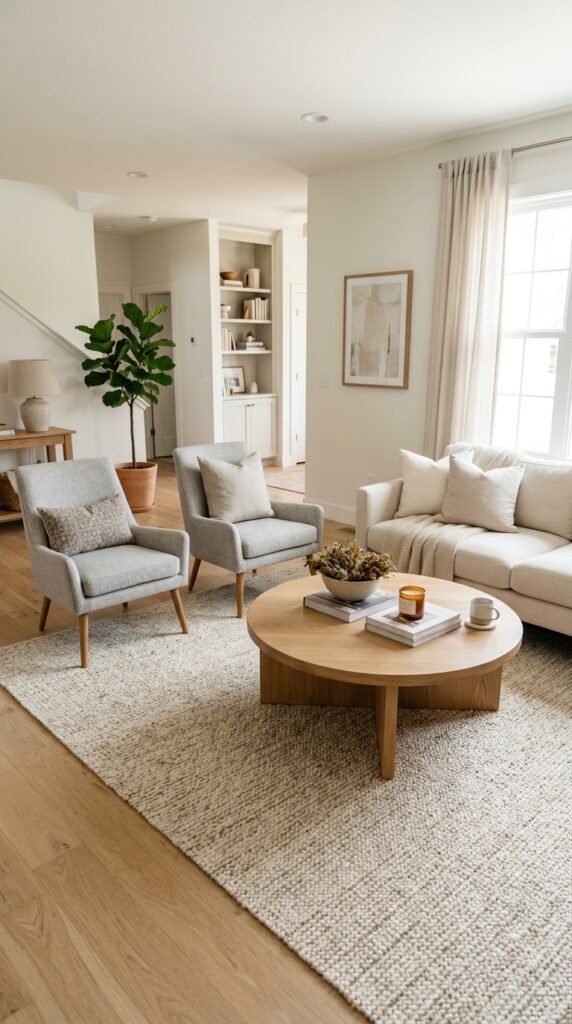
A sofa faces an empty stretch of floor, so the room feels one-sided and people sit in a straight line.
Two matching chairs complete the seating circle and give the room a stronger, more useful centre.
4. Warm Up a Modern Living Room with a Vintage Leather Chair
Modern rooms can start to feel flat when every surface is smooth and new. A worn leather chair brings in age, depth, and a bit of contrast without changing the whole style.
The best fit is often a chair with visible grain, softened edges, or a warm brown tone. Pair it with cleaner pieces so the room still feels current.
Use:
- a simple floor lamp
- a low wood or metal side table
- one plain cushion if the seat needs softness
Avoid adding too many other vintage items nearby. One well-used chair carries more character than a cluster of themed accessories.
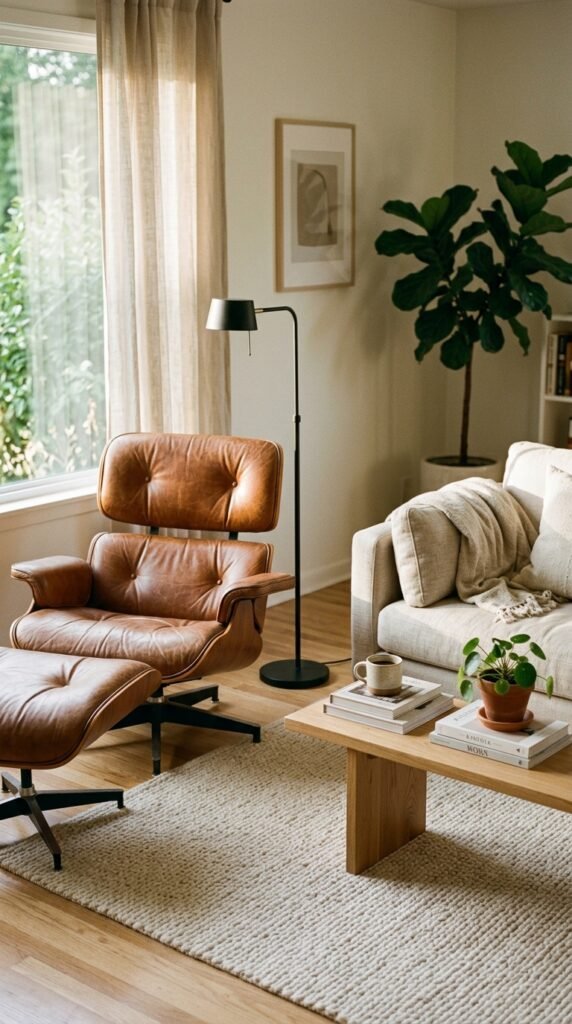
| Aged Leather | Smooth New Upholstery |
|---|---|
| brings warmth and visible character | keeps the room crisp and controlled |
| works well beside simple modern furniture | works well in a polished matching set |
| looks better with a few natural marks | needs more care to keep an even finish |
5. Fit a Petite Swivel Chair into an Awkward Corner
That narrow corner beside the window or bookshelf may not have space for a full lounge chair. A petite swivel chair can still make it useful because the seat turns toward different parts of the room.
Choose a compact shape with a hidden base or slim pedestal. Bulky arms can use up valuable floor space, so a rounded armless design often fits more easily.
A swivel chair can face the sofa during a conversation, turn toward the window for reading, or angle toward the television at night. Add a small drink table rather than a wide side table. The corner gains a purpose without feeling packed.
6. Balance a Tall Wall with a High-Back Wing Chair
A high-back chair can hold its own against a tall wall, large window, or fireplace surround. Its shape gives the room needed height without adding another shelf or oversized artwork.
To keep it relaxed rather than formal, pair it with softer pieces:
- a small round side table
- a linen cushion
- a low floor lamp
- a textured throw folded over one arm
Choose upholstery in a quiet solid colour or subtle pattern. Heavy carved legs and stiff fabric can push the chair too far into traditional territory. The goal is height with comfort, not a chair that feels like it belongs in a waiting room.
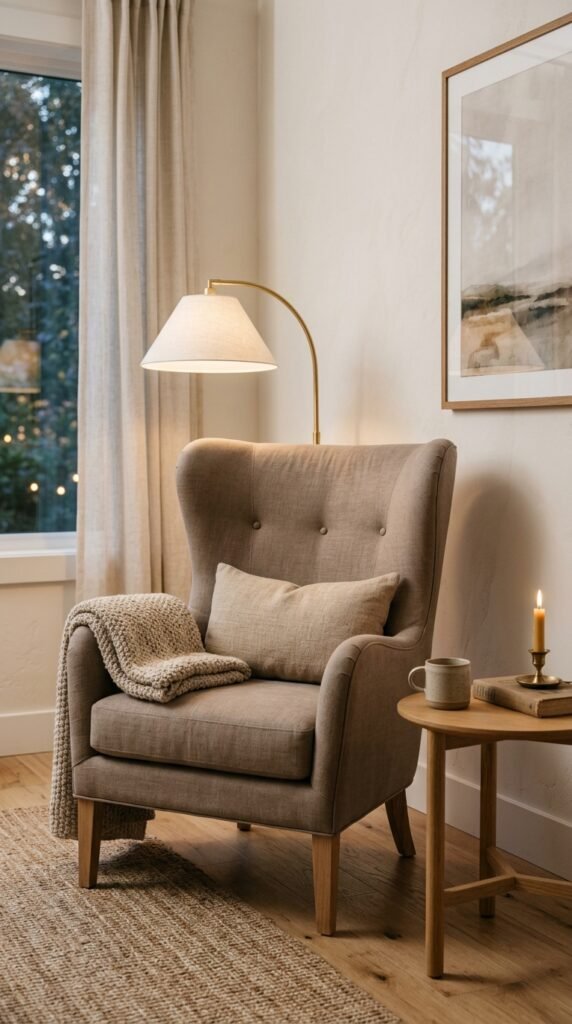
Keep a wing chair feeling relaxed
7. Lighten a Heavy Furniture Layout with a Cane-Back Chair
A room filled with thick upholstery can feel crowded even when the layout technically fits. A cane-back chair breaks up that visual weight because light passes through the woven panel.
Use it beside a solid sofa, chunky sectional, or dark wood coffee table. The lighter frame creates contrast without needing a bright colour.
Keep the styling simple:
- add a thin seat cushion for comfort
- repeat the wood tone once nearby
- avoid covering the cane with a large throw
Cane does not have to look coastal. Paired with darker timber, warm neutrals, and clean shapes, it can feel tailored and grounded.
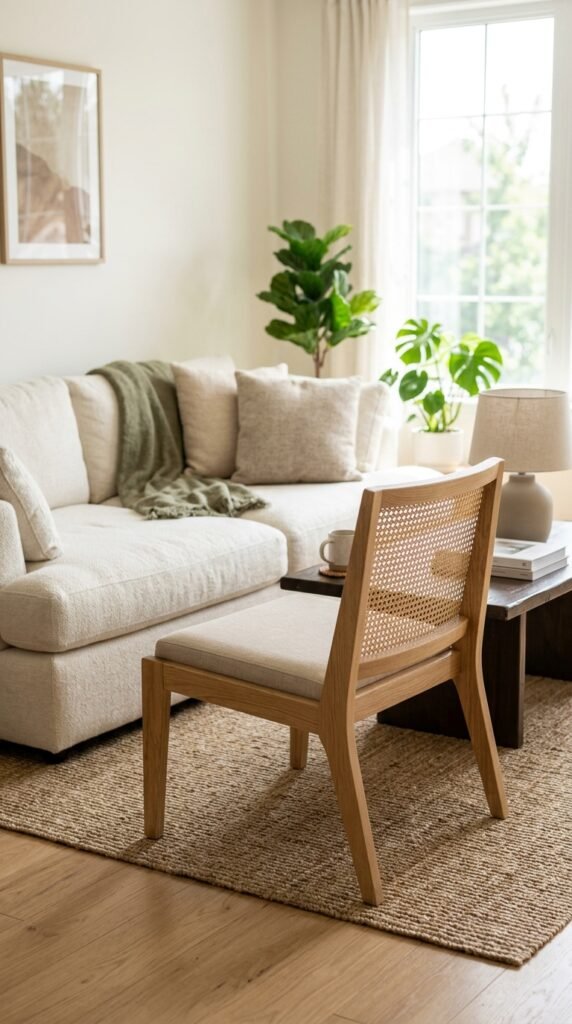
Pair cane with solid upholstery to create visual breathing room.
Repeat the frame colour in a table, tray, or lamp base.
Do not hide the woven back under thick blankets.
Avoid pairing it with too many other woven pieces.
8. Choose an Accent Chair That Contrasts with the Sofa
Matching the sofa exactly can make the room feel like a furniture showroom. A better approach is to contrast one or two features while keeping something else connected.
Start with the most obvious difference. A square sofa can sit beside a rounded chair. A smooth sofa can work with velvet, bouclé, leather, or woven fabric. A pale sofa can take a deeper chair colour.
Then look for one link between them, such as:
- similar leg colour
- a shared warm or cool undertone
- matching cushion details
Contrast creates interest. The repeated detail keeps the pairing from looking accidental.
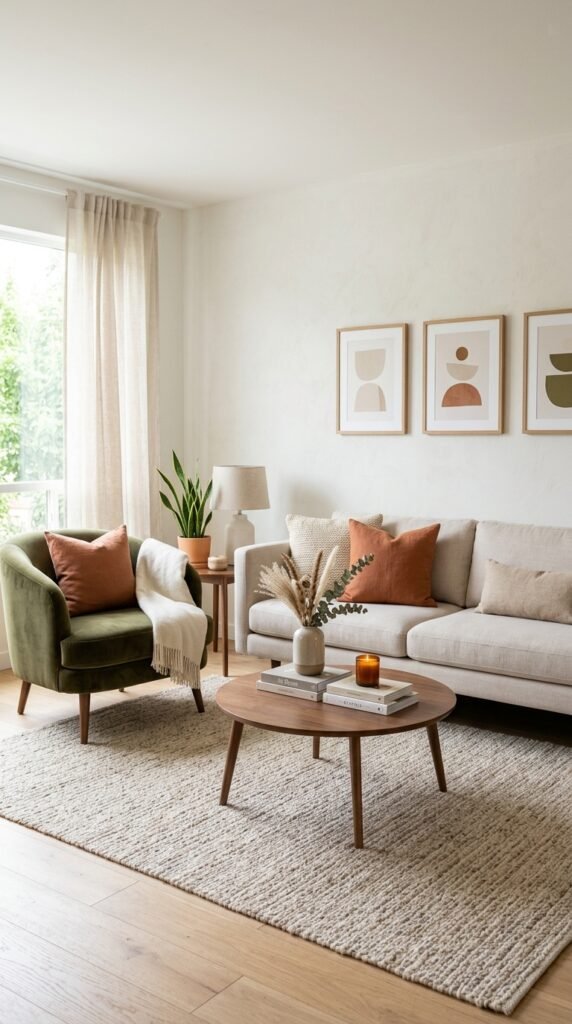
Contrast the shape, such as a curved chair beside a straight sofa.
Change the fabric or colour so the chair earns attention.
Repeat one finish or undertone so both pieces still belong together.
9. Angle an Accent Chair Toward the Fireplace
A chair does not always need to face the sofa squarely. Turning it slightly toward the fireplace can make the room feel more natural and create a seat people actually want to use.
Keep one front corner of the chair close to the rug so it still belongs to the main layout. Then check the path behind it. People should be able to walk past without squeezing around the chair back.
A small drink table can sit on the open side, while a floor lamp belongs behind or just beside the seat. The slight angle feels inviting and less rigid than a straight furniture line.
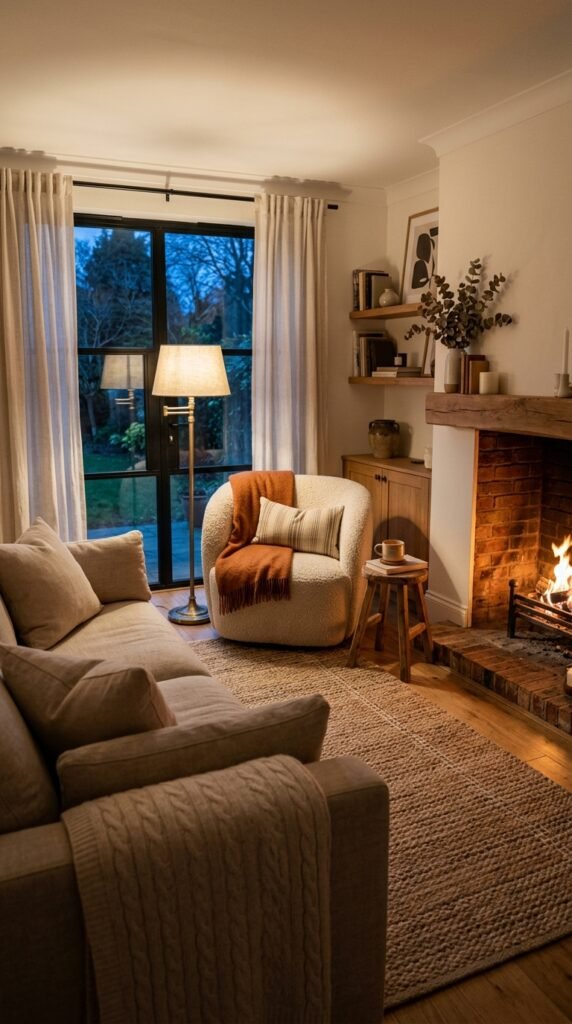
Angle the chair toward the feature, but keep enough of it on the rug for the seat to remain part of the main conversation area.
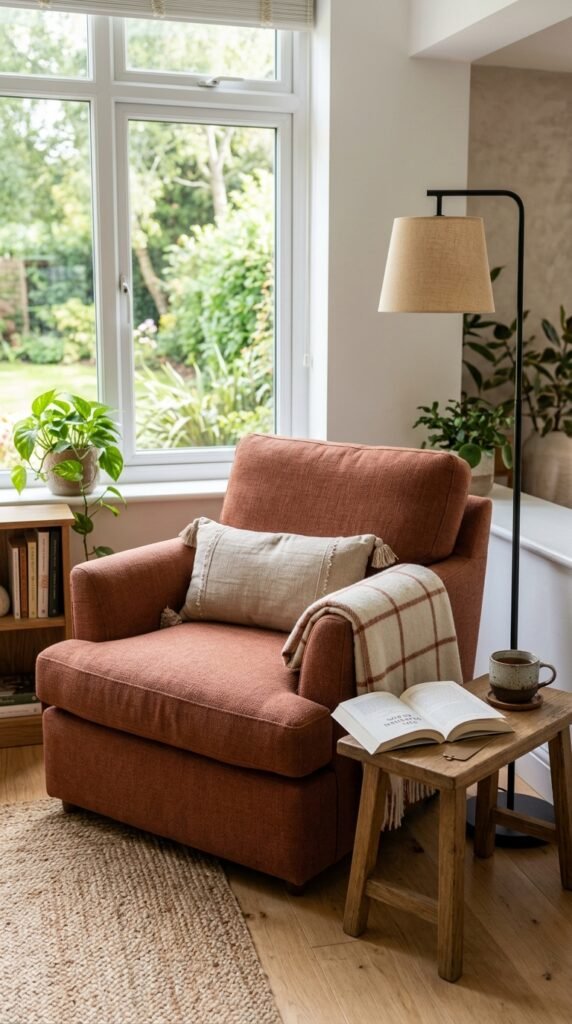
10. Build a Quiet Reading Spot Beside the Window
The chair beside a window often becomes the best seat in the room, but only when the details support how it will be used. A good reading spot needs more than natural light.
Start with a chair deep enough to sit back in. Then add a small table within easy reach for a mug, glasses, or a book. A lamp still matters because daylight disappears early in winter and curtains may block part of it at night.
Finish the corner with one soft layer, such as a lumbar cushion or folded throw. Keep the floor clear. A reading nook should feel settled, not crowded with decorative extras.
- ▸A supportive chair with enough depth to relax
- ▸A narrow table for a book, drink, or glasses
- ▸A floor or wall light for evening reading
- ▸One cushion or throw for comfort without clutter
11. Add Definition with a Black-Framed Accent Chair
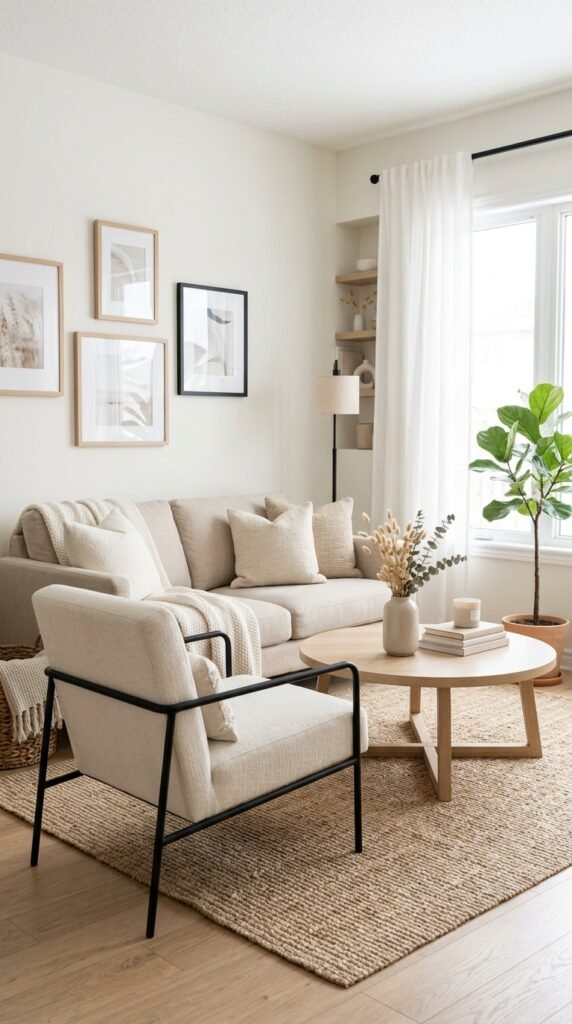
A black frame can sharpen a soft living room without making the whole space feel dark. It works especially well beside cream upholstery, pale wood, light rugs, and warm neutral walls.
Choose a chair with an open frame so the black feels like an outline rather than a heavy block. Then repeat the finish in one or two small places:
- a floor lamp
- a picture frame
- a tray or side table
- slim curtain hardware
The room feels more connected when the black appears in small, spaced-out details. Avoid repeating it on every object. A few clear lines are enough to give the layout structure.
12. Pair an Oversized Lounge Chair with a Small Ottoman
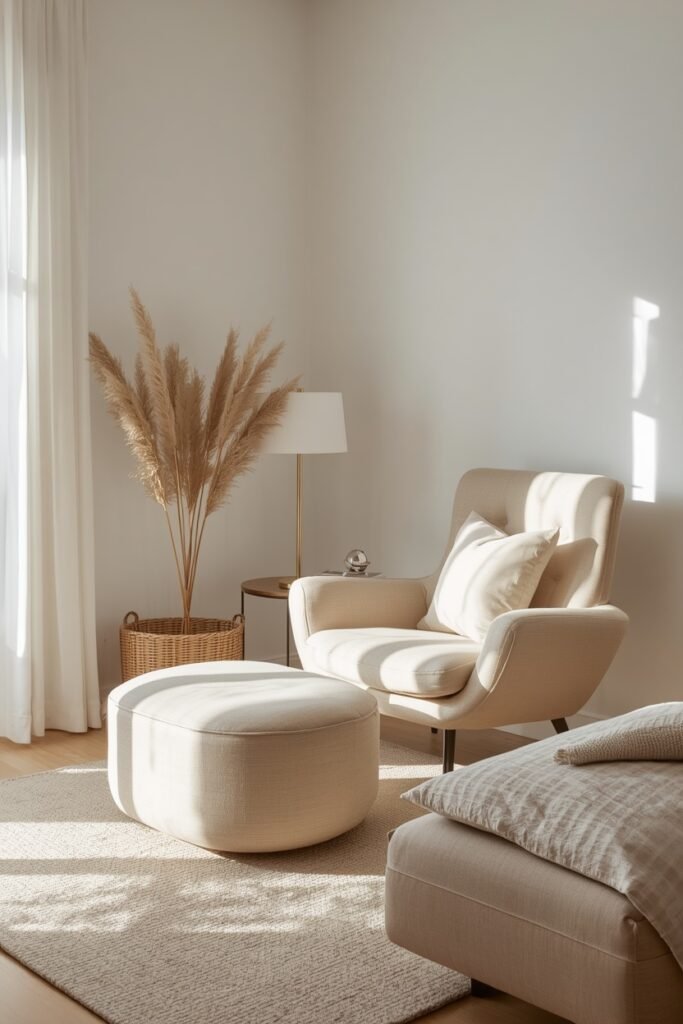
Some living rooms need one chair that feels generous enough for curling up, reading, or sitting with a child. An oversized lounge chair can do that, but the ottoman beside it should stay visually light.
Look for a compact ottoman that can:
- support your feet
- slide partly under a table
- move aside when extra floor space is needed
Leave a clear path around both pieces before adding a basket or floor lamp nearby. The pairing should feel comfortable, not squeezed into place. In a smaller room, a round ottoman is often easier to walk around than a wide square one.
📌 Good To Know
Measure the chair and ottoman together, not as separate pieces. The combined footprint matters more than either item on its own.
13. Mix Two Different Accent Chairs Without Making the Room Look Random
Two accent chairs do not need to match, but they should share a clear connection. The easiest link is usually colour, leg finish, fabric weight, or overall height.
For example, a rust velvet chair can sit beside a patterned chair that carries the same rust shade. A cane chair and an upholstered chair can work together when both have warm oak frames.
Keep their visual weight fairly close. One huge lounge chair beside a tiny dining-style seat can make the grouping feel uneven. The chairs may tell different stories, but they should still look like they belong in the same room.
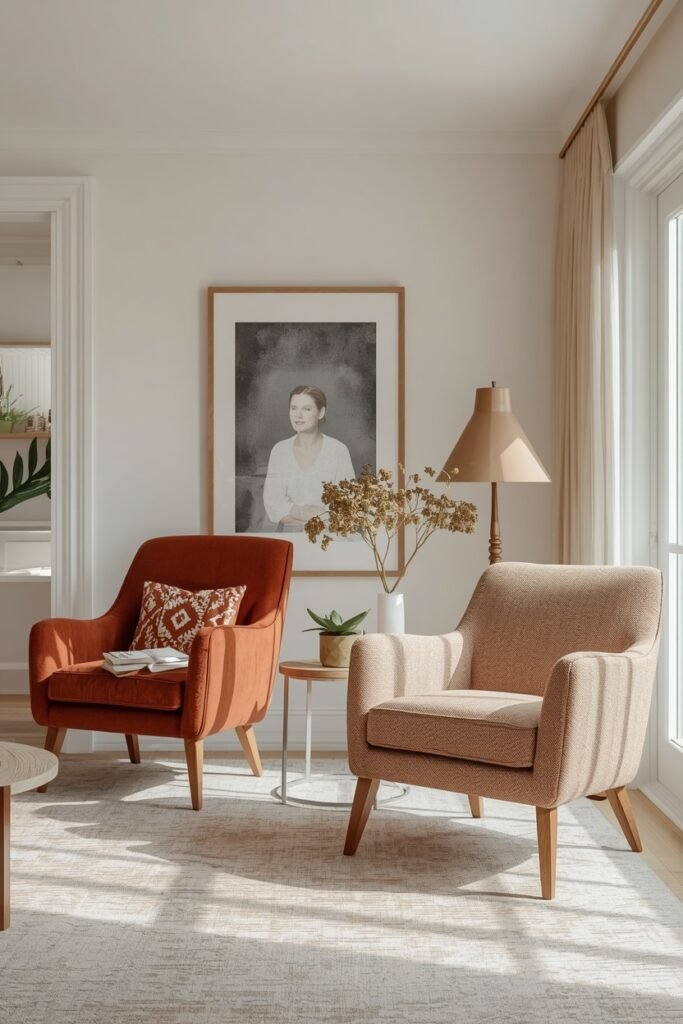
Different scale, unrelated colours, and clashing leg finishes make the pair look accidental.
Different chair styles share one colour, similar height, or a matching wood tone.
14. Repeat the Chair Colour in Three Small Details Around the Room
A colourful accent chair feels intentional when its shade appears elsewhere in small amounts. You do not need a matching rug, curtains, and sofa cushions. Three modest repeats usually create enough connection.
Use the chair colour in pieces that are spread across the room rather than grouped beside it. A cushion on the sofa, one detail in the artwork, and a small object on a shelf can carry the shade from one side to the other.
Keep the repeats quieter than the chair itself. The chair remains the main feature, while the smaller details make the full room feel considered rather than overly matched.
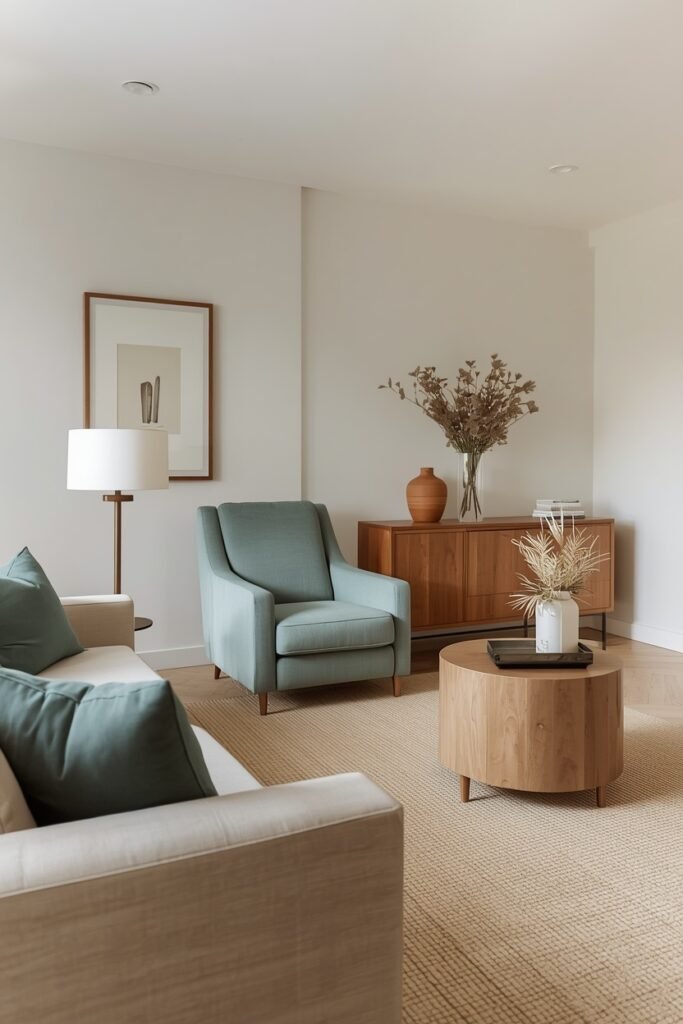
The three-repeat colour formula
Conclusion
The right accent chair can change how a living room feels without forcing you to replace the sofa, rug, or main furniture. Focus on one clear purpose first, such as adding contrast, filling an awkward corner, creating a reading spot, or balancing the layout. Then connect the chair to the room through one shared colour, finish, or material. These accent chair ideas show that a small furniture choice can bring more character, comfort, and structure to the whole space. Save your favourite looks to Pinterest and return to them when you are ready to refresh your living room.